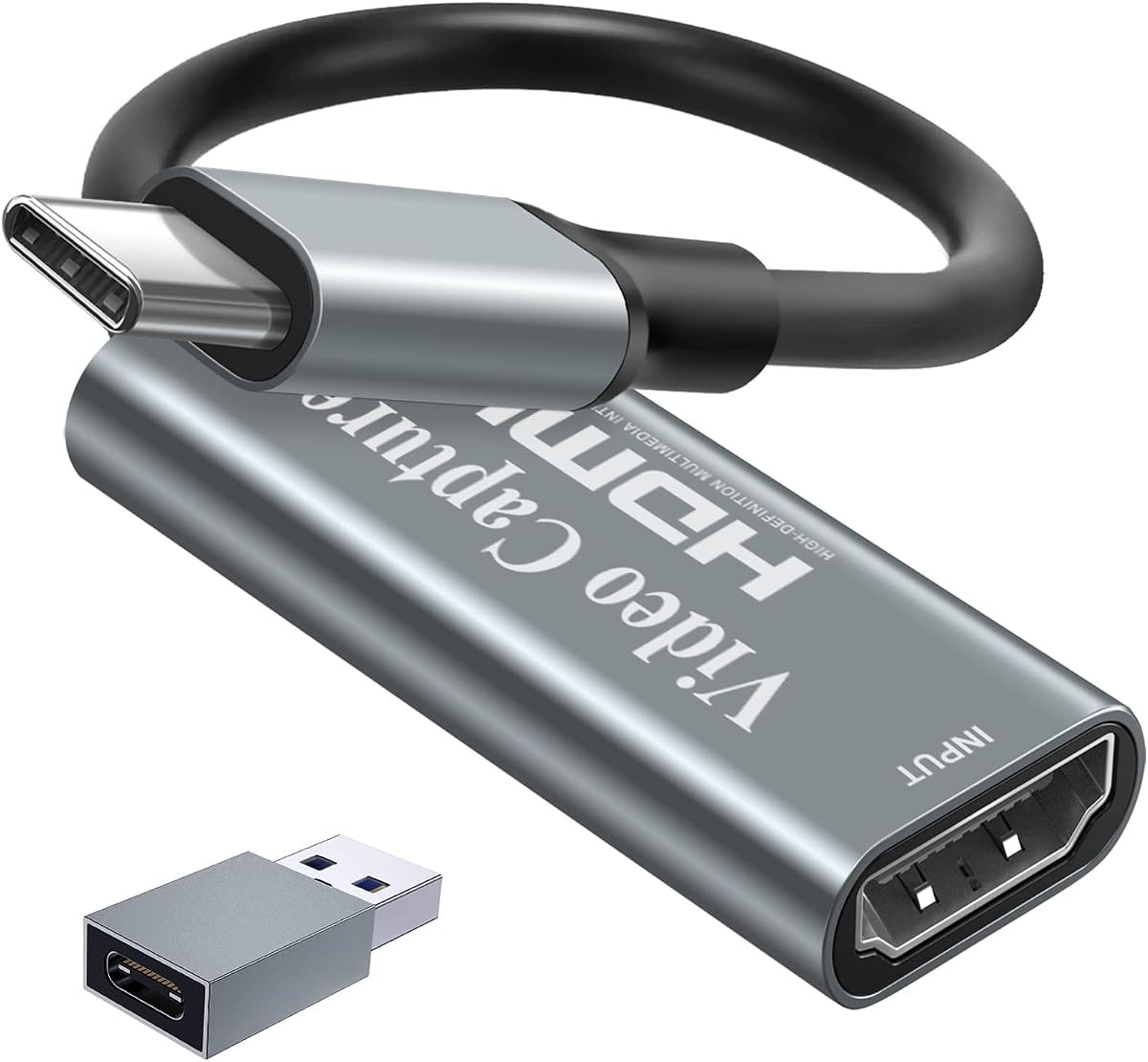
Papeaso Video Capture Card
4.2Editor score
Affordable 1080P60 capture
Plug and play Linux support
Compact USB-C design
Discover the top capture cards for Linux in October 2026. This guide compares performance, compatibility, and value to help you choose the right device.
Finding a reliable capture card for Linux can be challenging due to driver limitations and compatibility issues. This guide highlights devices that work seamlessly with open-source systems for smooth streaming.
We evaluated ten top-rated capture cards based on Linux compatibility, video quality, latency, and ease of use. Each product was analyzed for its ability to integrate with OBS and other Linux software.
Each pick showcases key strengths and ideal use cases for creators on Linux systems. Prices and availability change frequently, so verify current details before purchasing your next streaming tool.
4.2Editor score

4.5Editor score

4.2Editor score
This section compares all ten capture cards side by side, highlighting key specifications like resolution support, latency performance, and Linux compatibility to help you decide.






The acer USB 3.0 HDMI Capture Card stands out as a reliable choice for Linux users seeking stable streaming performance with minimal setup. It offers a strong balance of video clarity and ease of use for creators.
We may earn a commission when you buy through this link, at no additional cost to you.
Its YUY2 technology delivers richer colors and smoother video compared to standard compression, ensuring high-quality captures for live streams and recordings. The built-in mic-in port simplifies setup for commentary without extra adapters.
While it captures at 1080P 60Hz, the lack of 4K capture may be a limitation for ultra HD enthusiasts. However, the low latency and seamless Linux compatibility make it highly effective for most gaming and streaming needs.
This card is ideal for Linux gamers and educators who need a dependable tool that integrates effortlessly with OBS and other recording apps. It offers great value for its straightforward plug-and-play functionality.
YUY2 technology ensures vibrant and lifelike visuals during live streaming, enhancing viewer engagement with superior color depth.
No driver installation is required, allowing Linux systems to recognize the device instantly upon connection for immediate use.
We may earn a commission when you buy through this link, at no additional cost to you.
The UGREEN capture card is highly rated for Linux compatibility, offering robust features like 4K pass-through and dual interface options. It is a versatile choice for users managing multiple streaming setups.
We may earn a commission when you buy through this link, at no additional cost to you.
Its aluminum casing ensures effective heat dissipation, maintaining stable performance during extended streaming sessions. The ability to switch between MJPEG and YUY2 formats provides flexibility for different bandwidth needs.
The lack of 4K capture capability means content creators focused on ultra HD may need to consider other options. However, its strong Linux support and loop-out features make it a practical choice for most streamers.
Ideal for Linux users who prioritize reliability and hardware quality, this card delivers smooth performance with OBS and other platforms. Its design balances professional features with user-friendly plug-and-play operation.
Both USB-A and USB-C ports allow seamless connection to various devices, enhancing adaptability across different hardware configurations.
The aluminum casing actively dissipates heat, preventing thermal throttling during long recording or streaming sessions on Linux systems.
We may earn a commission when you buy through this link, at no additional cost to you.
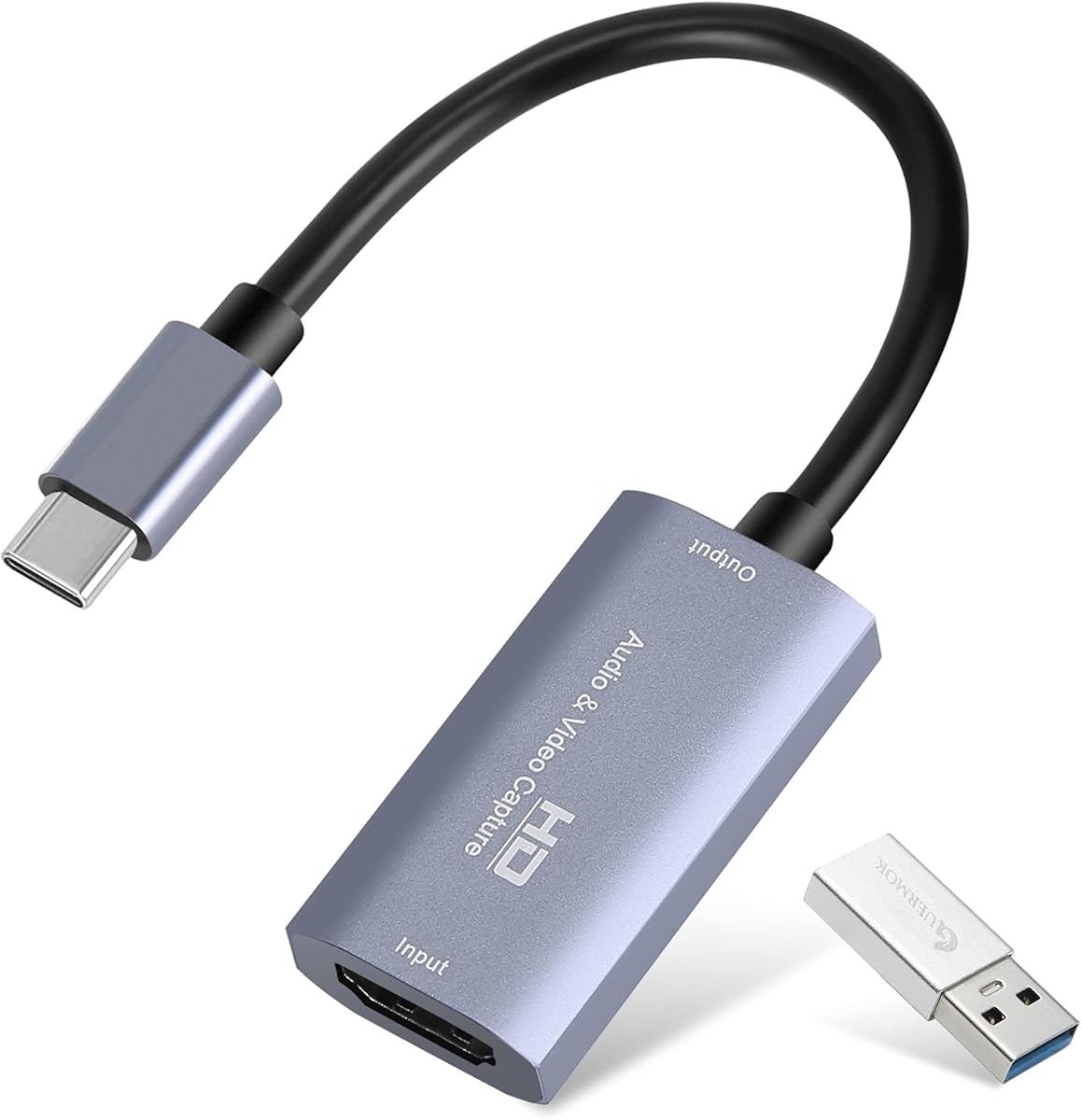
The Guermok capture card offers excellent value for Linux users, combining 4K input support with a low price tag. It is a strong contender for budget-conscious creators needing reliable performance.
We may earn a commission when you buy through this link, at no additional cost to you.
Its aluminum alloy construction ensures durability and effective cooling, which is crucial for maintaining video quality during long streaming sessions. The support for both 1080P 60FPS and 2K 30FPS provides versatile output options.
Some users may find the included adapter necessary for certain USB-C setups, adding a small complexity. Overall, its performance and Linux compatibility make it a top choice for affordable streaming solutions.
Best for beginners or casual streamers on Linux, this card delivers solid results without demanding high system resources. Its plug-and-play design simplifies the setup process for immediate use.
With a low price point, it delivers professional-grade features like 4K input support without breaking the budget for new creators.
Supports multiple resolutions from 1080P to 2K, allowing flexibility in balancing quality and bandwidth for different streaming platforms.
We may earn a commission when you buy through this link, at no additional cost to you.
The Newhope capture card is designed for gamers needing a reliable tool that supports 4K pass-through for crisp gameplay on external displays. It delivers smooth 1080P capture for streaming on Linux.
We may earn a commission when you buy through this link, at no additional cost to you.
Its microphone input allows for easy voice commentary, simplifying the setup for live broadcasts without extra equipment. The card's compatibility with major streaming software ensures quick integration into existing workflows.
While the capture resolution is limited to 1080P, the pass-through capability maintains high visual fidelity for gameplay. This balance makes it a practical option for streamers prioritizing gameplay quality over raw capture resolution.
Ideal for Linux gamers on a budget, this card offers essential features like mic support and pass-through without complexity. Its plug-and-play functionality ensures hassle-free setup for immediate streaming.
The built-in mic-in lets you add live commentary directly, streamlining the process for interactive gaming streams.
Maintains 4K video quality to your display while capturing, ensuring no compromise on your local gameplay experience.
We may earn a commission when you buy through this link, at no additional cost to you.
This capture card prioritizes portability and simplicity, making it a great choice for on-the-go Linux streamers. It supports smooth 1080P capture and pass-through for consistent performance.
We may earn a commission when you buy through this link, at no additional cost to you.
The compact design fits easily in a bag, enabling creators to stream from any location without bulky equipment. Its zero driver requirement ensures quick setup across different Linux distributions.
While it lacks advanced settings or high-end features, its reliable performance covers basic streaming needs effectively. Users looking for a no-fuss solution will appreciate its straightforward operation.
Perfect for travelers or casual streamers on Linux, this card delivers consistent results with minimal effort. Its balance of portability and performance makes it a versatile tool for various scenarios.
The lightweight and compact form factor allows you to carry it anywhere, enabling spontaneous streaming from any location.
Zero driver installation means you can start capturing within minutes of plugging it in, ideal for quick setup.
We may earn a commission when you buy through this link, at no additional cost to you.
This UGREEN model offers a robust build and high-speed performance that appeals to Linux users seeking reliability. It supports 2K capture and passes through 4K for high-quality visuals.
We may earn a commission when you buy through this link, at no additional cost to you.
The dual USB ports provide flexibility in connecting to various devices, ensuring broad compatibility across different setups. Its aluminum alloy casing is both stylish and functional, aiding in heat management.
Although it does not capture in 4K, the 2K resolution provides excellent detail for most streaming platforms. This makes it a balanced choice for users prioritizing performance and durability over ultra-high resolution.
Best for professionals and enthusiasts on Linux, this card delivers consistent performance with strong hardware quality. Its design ensures stability during prolonged streaming sessions, enhancing overall user experience.
With 5 Gbps transfer speeds, it handles high-bandwidth video streams efficiently, reducing lag and ensuring smooth captures.
Supports Linux, Windows, and macOS, allowing seamless integration across different systems without compatibility headaches.
We may earn a commission when you buy through this link, at no additional cost to you.
This capture card stands out for its inclusion of headphone monitoring, allowing real-time audio checks during streaming on Linux. It supports 4K input for high-quality source capture.
We may earn a commission when you buy through this link, at no additional cost to you.
Its 18-month warranty provides peace of mind for buyers concerned about device longevity. The plug-and-play feature ensures compatibility across various Linux distributions without extra drivers.
While the output is limited to 2K, the 4K input ensures high fidelity during processing. This balance suits streamers who prioritize audio monitoring and device reliability.
Ideal for content creators and gamers on Linux who value audio control and hardware reliability, this card offers comprehensive features. Its warranty adds an extra layer of confidence in the purchase.
The headphone output allows you to monitor audio levels instantly, ensuring perfect sync during live broadcasts.
An 18-month warranty covers potential hardware issues, offering added security for long-term use.
We may earn a commission when you buy through this link, at no additional cost to you.
The AVerMedia StreamLine MINI+ delivers professional-grade features like 4K60 HDR pass-through and ultra-low latency, making it suitable for advanced Linux users. It supports multiple formats for flexible workflows.
We may earn a commission when you buy through this link, at no additional cost to you.
Its Streaming Center software simplifies setup, though Linux users may need additional configuration for full functionality. The low latency ensures seamless gameplay without noticeable delays.
While primarily optimized for Windows, its compatibility with OBS allows Linux integration for most core functions. This makes it a strong option for those needing high-end features.
Best for enthusiasts and professional streamers on Linux, this card offers superior video quality and performance. Its advanced capabilities justify the higher price for users needing top-tier tools.
Minimizes input lag to ensure responsive gameplay, which is critical for competitive streaming experiences on Linux.
Supports multiple video formats to match diverse workflow needs, from streaming to professional post-production.
We may earn a commission when you buy through this link, at no additional cost to you.
The Papeaso capture card is the most affordable option on this list, offering essential features for Linux streamers on a budget. It supports 1080P 60FPS capture and 4K input.
We may earn a commission when you buy through this link, at no additional cost to you.
Its USB-C end compatibility allows direct connection to many modern devices, enhancing convenience. The lack of driver requirements ensures immediate use upon plugging in to a Linux system.
While the build quality is basic, it delivers reliable performance for casual streaming and recording tasks. Its low price point makes it accessible for beginners testing the waters of content creation.
Perfect for budget-conscious creators and students on Linux, this card provides a functional entry point into streaming. Its simplicity and affordability make it a practical choice for basic needs.
One of the cheapest options available, it offers essential streaming features without financial strain.
Supports USB-C connections, allowing direct plugging into laptops and tablets without adapters for easier setup.
We may earn a commission when you buy through this link, at no additional cost to you.
The AVerMedia Live Gamer Ultra S is a premium capture card offering 4K60 HDR passthrough and VRR support, perfect for high-end Linux setups. It integrates well with OBS for professional workflows.
We may earn a commission when you buy through this link, at no additional cost to you.
Its support for 5.1 audio capture and VRR recording makes it versatile for immersive gaming content. The USB 3.2 Gen 1 Type-C connection ensures fast data transfer and compatibility.
The high price may be prohibitive for casual users, but it is justified by its top-tier features and build quality. Linux users seeking the best performance will find this device worthwhile.
Best for professional streamers and enthusiasts on Linux, this card delivers unmatched video quality and advanced features. Its capability to handle 4K60 HDR ensures future-proofing for high-resolution content.
Supports 5.1 audio capture, enabling rich and immersive sound recording for high-quality streaming content.
Handles 4K60 HDR and VRR passthrough, ensuring smooth and high-fidelity visuals during gaming sessions.
We may earn a commission when you buy through this link, at no additional cost to you.
Choosing the right capture card for Linux requires attention to driver support, video quality, and interface compatibility to ensure smooth operation.
Ensure the capture card supports Linux natively without requiring Windows drivers. Many modern cards are plug-and-play on Linux using UVC drivers, which simplifies setup significantly.
Look for models explicitly stating Linux support to avoid troubleshooting issues.
Decide on your desired capture resolution. While 1080P 60FPS is common, 4K pass-through ensures high-quality visuals for viewers even if capture is limited.
Prioritize cards that match your streaming platform's requirements for optimal quality.
Low latency is crucial for real-time gaming and streaming. Look for models with ultra-low latency claims to ensure your gameplay is not delayed on screen.
Check reviews for specific latency metrics to compare options accurately.
USB 3.0 provides sufficient bandwidth for high-quality video capture. Ensure your system has the correct ports, or consider adapters for USB-C setups.
Dual interface cards offer flexibility for connecting to different devices.
An aluminum casing helps dissipate heat, maintaining performance during long sessions. Avoid plastic-only models that may overheat.
Durable build ensures longevity and consistent performance over time.
Built-in microphone inputs or audio capture features simplify commentary setup. Verify support for your headset or microphone.
Good audio sync is essential for professional-looking streams.
Confirm the card works with your preferred streaming software like OBS or VLC. Most modern cards are compatible with open-source tools.
Check for any proprietary software requirements that may limit flexibility on Linux.
A solid warranty indicates manufacturer confidence in durability. Look for at least an 18-month coverage to protect your investment.
Responsive customer support helps resolve technical issues quickly.
Connect your capture card to your computer using the provided USB cable, ensuring the USB 3.0 port is used for best performance.
Plug your source device like a console into the HDMI input and connect your monitor to the loop-out if available.
Open your streaming software, select the capture card as your video source, and adjust resolution settings to match your needs.
Most modern capture cards use UVC drivers that are built into Linux kernels, meaning no additional drivers are needed. You can plug and play instantly with most systems.
While many cards support 4K pass-through for gameplay, actual capture is often limited to 1080P 60FPS or 2K due to bandwidth constraints. Check specific model specs for details.
OBS Studio is the most popular and reliable option for Linux, along with VLC and PotPlayer. Ensure your software supports UVC devices for seamless integration.
Most models offer ultra-low latency under 100 milliseconds, which is negligible for gaming. For competitive play, prioritize models with explicit low-latency claims.
Yes, provided you disable HDCP on the console and use HDMI output. Linux systems recognize the video feed without extra configuration for most devices.
Ensure proper ventilation and avoid blocking air vents. Models with aluminum casings dissipate heat better, preventing performance throttling during extended use.
Choosing a capture card for Linux requires balancing compatibility, performance, and price. The top picks offer reliable plug-and-play experiences with strong software support.
Prioritize models with 4K pass-through and robust cooling for the best streaming quality. Always verify Linux compatibility before purchasing to avoid setup issues.
Prices and availability change regularly, so check current listings and reviews to confirm the device meets your needs before committing to a purchase.