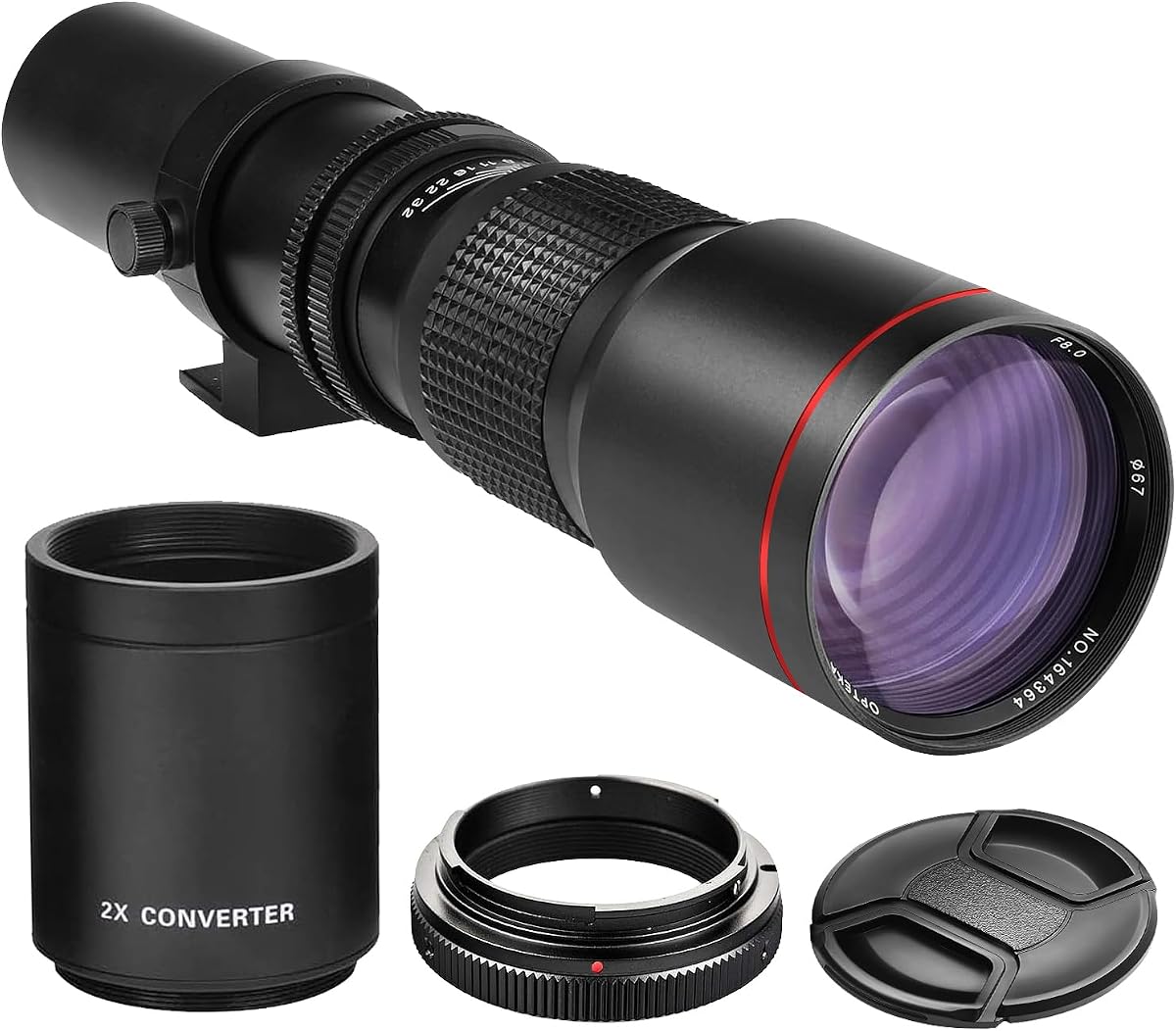
High-Power 500mm/1000mm f/8 Manual Telephoto Lens
4.0Editor score
1000mm max reach with converter
Manual focus and aperture
Compatible with Canon EF mount
This guide compares the top ten camera lens for long distance wildlife options available in October 2026 to help you choose the perfect telephoto zoom for your
Capturing wildlife from a safe distance requires specialized optics that balance reach, clarity, and stability. A good lens for long distance wildlife photography must offer powerful magnification while maintaining sharpness in varying light conditions. Whether you are tracking birds or observing large mammals, the right tool transforms distant moments into stunning visuals.
We evaluated ten top-rated telephoto lenses based on optical performance, autofocus speed, stabilization technology, and build quality. Our comparison covers options for both mirrorless and DSLR systems, ensuring compatibility with your current camera body. Each product was analyzed for its real-world utility in outdoor environments where reliability matters most.
Each pick highlights specific strengths like zoom range, weight, and image stabilization to help you match a lens to your shooting style. Prices and availability can change frequently, so verify current details before purchasing. We focus on factual specifications and user feedback to provide a clear roadmap for your investment.
4.0Editor score
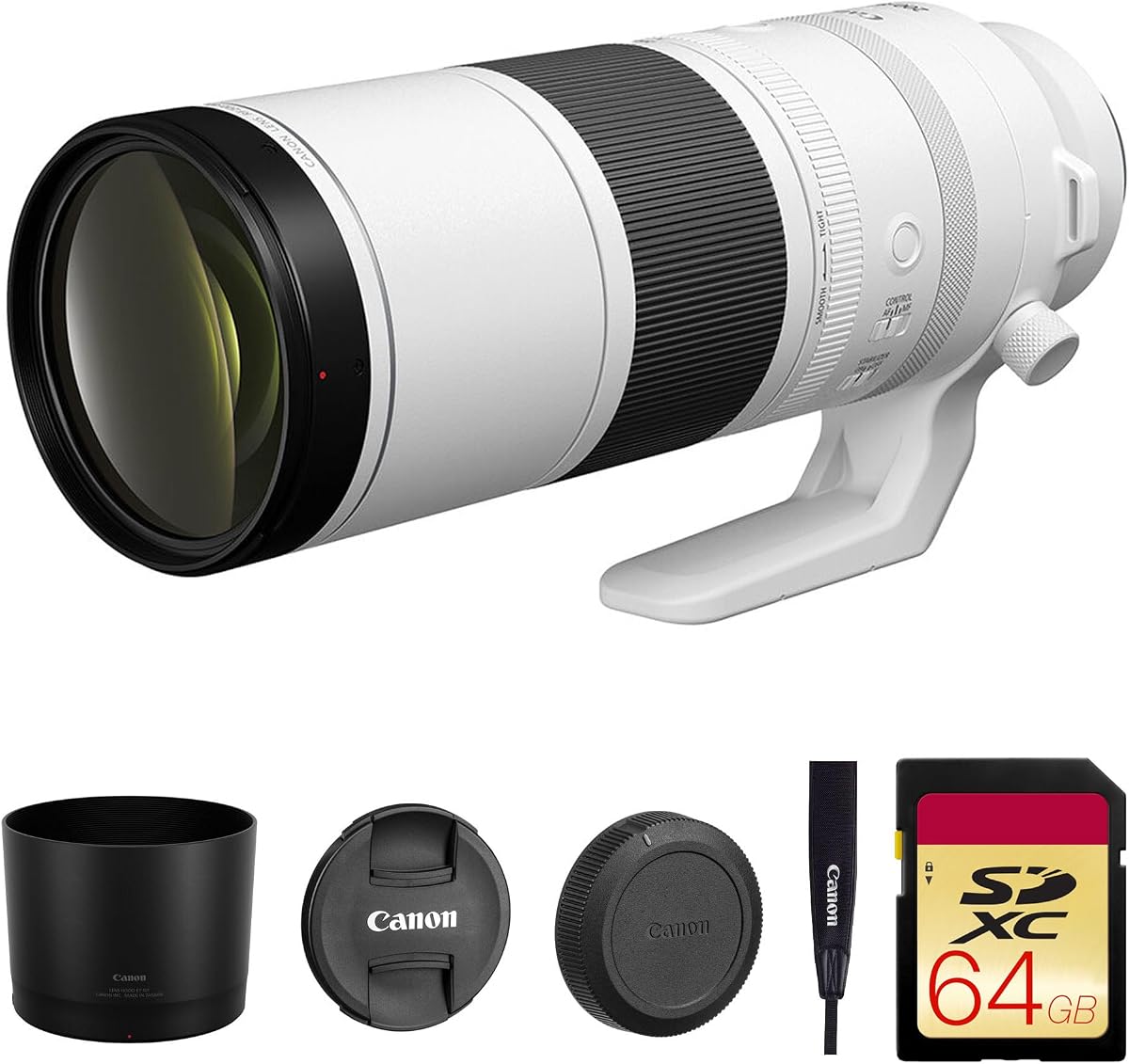
4.7Editor score
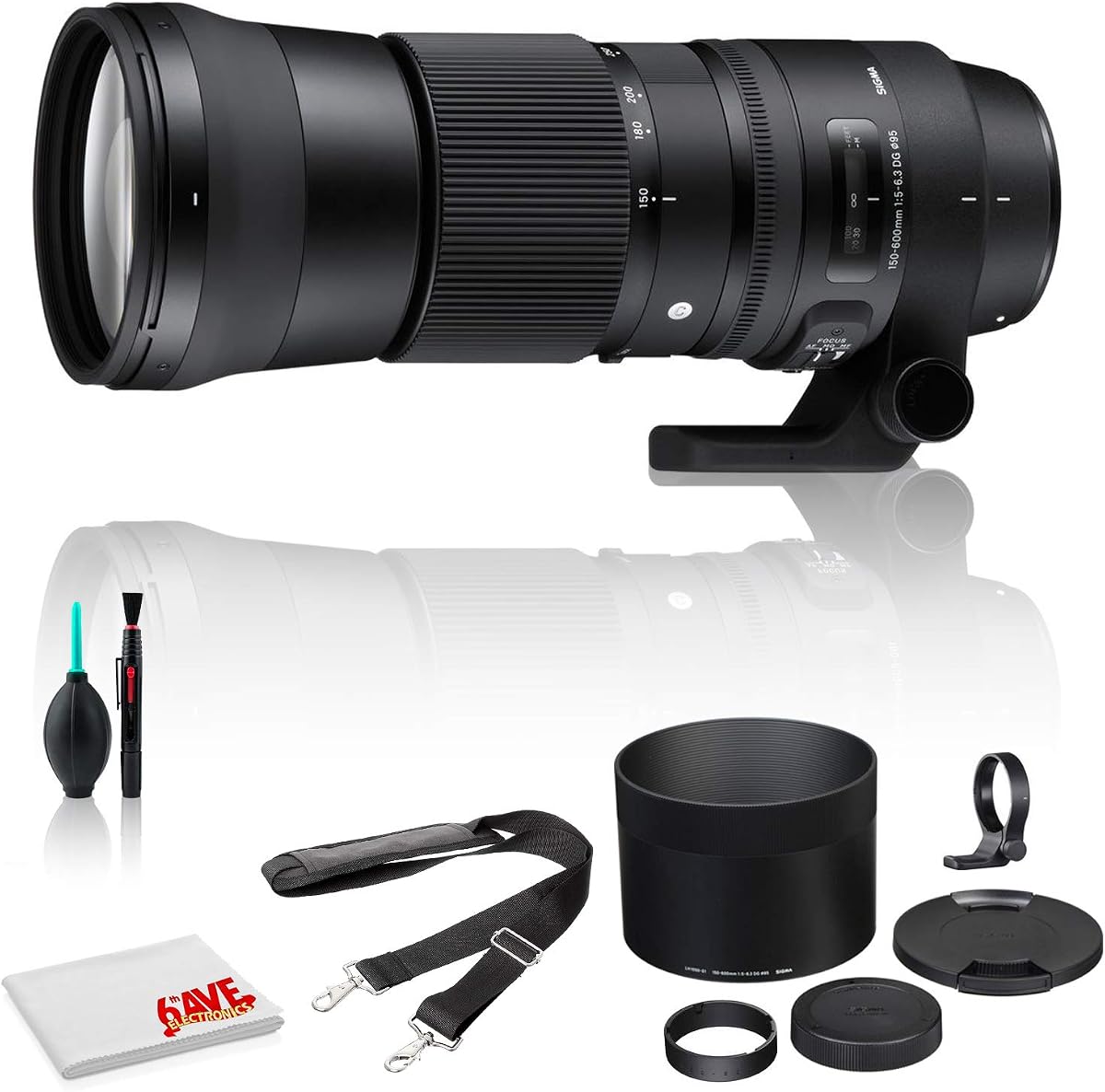
4.5Editor score
The following table provides a side-by-side overview of all ten lenses, highlighting key specifications and unique features to help you narrow down your choice based on your specific photography requirements and camera system.


The Canon RF 200-800mm lens is a powerhouse for wildlife photographers needing extreme magnification. With a rating of 4.7 stars, it stands out for its ability to capture distant subjects clearly. The bundle includes essential accessories like a memory card, making it ready for immediate field use.
We may earn a commission when you buy through this link, at no additional cost to you.
Its standout quality is the ability to extend from 200mm to 800mm without changing lenses. The built-in image stabilization ensures handheld shots remain sharp even at the longest focal length. This flexibility allows you to track moving animals without losing focus or stability during critical moments.
While the aperture narrows at 800mm, the USM autofocus system compensates with speed and precision. The lightweight design is a major trade-off that users find acceptable given the reach. It balances optical performance with portability better than most competitors in this category.
Wildlife enthusiasts who prioritize reach and clarity should choose this lens for their camera system. It is particularly effective for birding and distant sports photography where proximity is not an option. We highly recommend it for those investing in the Canon RF ecosystem.
The lens offers a continuous zoom range that allows you to adapt to changing distances without interruption.
Built-in stabilization supports handheld shooting, reducing the need for heavy tripods in the field.
We may earn a commission when you buy through this link, at no additional cost to you.
This lens is designed specifically for mirrorless users seeking a long reach without bulk. It holds a strong rating of 4.6 stars, reflecting its reliability in various shooting conditions. As the first AF super-telephoto zoom with an 800mm end, it sets a new standard for RF mount compatibility.
We may earn a commission when you buy through this link, at no additional cost to you.
Its powerful telephoto capabilities are enhanced by compatibility with extenders for even greater reach. The optical design maintains high image quality across the zoom range, ensuring details are crisp from 200mm to 800mm. Handheld shooting is comfortable due to its ergonomic build and balanced weight distribution.
The main limitation is the variable aperture which can limit low-light performance compared to primes. However, modern sensors often compensate for this. The lens prioritizes mobility and reach, which are critical for outdoor sports and nature photography where you must move quickly.
Photographers using Canon EOS R cameras will find this lens an ideal match for their system. It is recommended for those who want professional reach in a manageable package. We suggest it for wildlife photographers who value versatility and optical excellence.
Users can attach extenders at all focal lengths to extend reach further without losing functionality.
The lens uses the RF mount advantages to keep size down while maintaining sharp image output.
We may earn a commission when you buy through this link, at no additional cost to you.
The Sigma 150-600mm offers premium optical engineering for DSLR users. It has earned a 4.5-star rating for its ability to minimize chromatic aberrations and deliver clear shots. The bundle includes a cleaning kit, which is a thoughtful addition for maintaining the lens in the field.
We may earn a commission when you buy through this link, at no additional cost to you.
Key strengths include the use of one FLD and three SLD elements to ensure sharpness and color accuracy. The Hyper Sonic Motor AF system provides quick focusing, which is essential for tracking fast-moving wildlife. The optical stabilizer with an accelerometer helps keep images steady even at long focal lengths.
The trade-off is its weight compared to newer mirrorless lenses, which can cause fatigue over long hikes. However, for those with DSLR bodies, it remains a top choice for image quality. The build quality is robust enough to withstand outdoor rigors and repeated use.
If you use a Canon EF DSLR and want high-end optics, this lens is a strong candidate. It is best suited for serious hobbyists and professionals who prioritize image fidelity over weight. We recommend it for capturing detailed wildlife portraits from a distance.
Low dispersion elements reduce color fringing, ensuring clean and vibrant images at full zoom.
The HSM system delivers silent and rapid autofocus, crucial for tracking erratic animal movements.
We may earn a commission when you buy through this link, at no additional cost to you.
This manual telephoto lens provides incredible reach at a budget-friendly price. With a 4.0-star rating, it is a practical choice for beginners or those needing a secondary lens. It uses high index, low dispersion multi-coated optical glass to ensure clear, sharp photos every time.
We may earn a commission when you buy through this link, at no additional cost to you.
The 2X teleconverter doubles the power to 1000mm, allowing you to capture subjects that would otherwise be impossible to photograph. EF-Mount compatibility ensures it works with many Canon DSLR models. Its manual design gives you complete creative control over focus and aperture settings.
The lack of autofocus and stabilization means it requires patience and a steady hand. However, the durable construction handles outdoor conditions well. It is an excellent tool for static wildlife or landscape shots where you can set up carefully.
For those on a tight budget who need extreme magnification, this lens is a viable option. It is recommended for photographers willing to trade speed for affordability. We suggest it for educational purposes or as a specialized reach tool.
You can achieve 1000mm reach without spending thousands, making wildlife photography accessible.
Manual focus allows precise adjustments for specific subjects without electronic interference.
We may earn a commission when you buy through this link, at no additional cost to you.
This L-series lens is a classic choice for professional wildlife and sports photography. With a 4.0 rating, it is known for consistent quality and build. It includes a filter kit and cap keeper, providing added convenience for field protection and versatility.
We may earn a commission when you buy through this link, at no additional cost to you.
Its construction uses fluorite and Super UD elements to minimize aberrations and deliver high contrast. The optical image stabilization reduces camera shake, improving low-light performance. A ring-type USM autofocus ensures quiet and precise focusing, which is vital when filming or shooting wildlife.
The main trade-off is the 400mm limit compared to 600mm or 800mm options. However, the image quality and handling are superior. The rotating collar allows for stable vertical and horizontal shots, essential for diverse subject composition and tracking.
Professionals using Canon DSLRs will appreciate the reliability and sharpness of this lens. It is recommended for action sports and wildlife that stay within closer range. We suggest it for those who prioritize build quality and optical precision.
Fluorite reduces color fringing effectively, ensuring clean edges in high contrast scenes.
The L-series construction withstands dust and moisture, making it reliable in harsh environments.
We may earn a commission when you buy through this link, at no additional cost to you.
This manual zoom lens offers an incredible 1600mm reach at a low cost. It holds a 4.0-star rating for providing basic telephoto utility without high-end features. It is designed for clear long-distance shots, making it a must-have for budget-conscious wildlife shooters.
We may earn a commission when you buy through this link, at no additional cost to you.
The 2X teleconverter doubles the power, allowing photographers to capture distant wildlife like never before. Compatibility with various Canon models ensures it can be used on multiple camera bodies. The f/8.3 aperture ensures photos are crisp and clear despite the manual operation.
The trade-offs are significant: no autofocus and a manual zoom ring. This requires skill to use effectively and makes tracking moving subjects challenging. However, for static landscapes or stationary birds, it delivers acceptable results for the price.
Wildlife photographers needing maximum reach on a budget will find this lens useful. It is recommended for stationary shots or as a supplementary tool. We suggest it for those who do not require rapid autofocus capabilities.
The 1600mm capability brings subjects closer than most other affordable lenses can achieve.
It fits many Canon DSLR models, increasing its utility across different camera setups.
We may earn a commission when you buy through this link, at no additional cost to you.
This compact RF lens is designed for EOS R series users needing portability. With a 4.6-star rating, it offers high-image quality in a small package. It is a versatile choice for travelers or hikers who need wildlife coverage without heavy gear.
We may earn a commission when you buy through this link, at no additional cost to you.
Its optical image stabilizer provides up to 5.5 stops of correction, allowing for sharp handheld shots. The Nano USM autofocus ensures high speed, smooth, and quiet operation. Minimum focusing distance is suitable for various subjects, adding flexibility to your shooting style.
The main trade-off is the shorter 400mm range compared to super-telephoto options. Also, the aperture narrows at 400mm which can limit low-light capability. However, its weight and handling make it ideal for long days of outdoor photography.
R-series photographers looking for a light daily driver will benefit from this lens. It is recommended for general wildlife and sports where you move frequently. We suggest it for those prioritizing ease of carry over extreme reach.
Nano USM delivers fast and silent focus, ideal for video and sensitive wildlife subjects.
The compact build reduces fatigue during long shooting sessions in the field.
We may earn a commission when you buy through this link, at no additional cost to you.
This lens is a classic entry-level telephoto option for Canon SLR cameras. It has a strong 4.7-star rating for its simplicity and ease of use. It is an excellent choice for beginners learning the basics of wildlife photography without breaking the bank.
We may earn a commission when you buy through this link, at no additional cost to you.
The improved mechanism makes zooming smoother with a silver ring on the zoom ring. It weighs only 16.8 ounces, making it easy to carry on walks. The 75-300mm range is suitable for closer subjects and local wildlife observation.
Without image stabilization, low-light shooting is more challenging. The 300mm limit is also short for distant subjects. However, for its price and size, it remains a highly rated option for casual users who want to start exploring telephoto photography.
Beginners seeking an affordable first telephoto will find this lens helpful. It is recommended for short-range wildlife and general zoom needs. We suggest it for those who want to learn before investing in premium equipment.
Its simplicity allows new photographers to learn zooming techniques without complex settings.
Light weight ensures you can carry it easily without needing additional support gear.
We may earn a commission when you buy through this link, at no additional cost to you.
This Nikon lens is a top choice for users of Nikon DSLR systems. It holds a 4.2-star rating for its reliable performance in outdoor environments. The bundle includes filters and a cleaning kit, adding value to the purchase for field use.
We may earn a commission when you buy through this link, at no additional cost to you.
The Silent Wave Motor ensures rapid and accurate autofocus, complemented by a dedicated Sport Mode. Vibration Reduction minimizes camera shake, providing up to 4.5 stops of stabilization. Extra-low dispersion elements diminish color fringing for superior clarity and color precision.
The trade-off is its weight compared to mirrorless options. However, the tripod collar offers stable support for long sessions. It is robust enough for professional work and serious amateur wildlife photography requiring consistent sharpness.
Nikon users needing a reliable super-telephoto will appreciate this lens. It is recommended for sports and wildlife where tracking is essential. We suggest it for those who value stabilization and optical quality on Nikon bodies.
VR technology helps maintain steady shots even when handholding for extended periods.
Extra-low dispersion elements ensure sharp and colorful images without color fringing.
We may earn a commission when you buy through this link, at no additional cost to you.
This renewed lens offers a tested version of the classic entry-level telephoto at a lower cost. With a 4.7-star rating, it provides reliable performance for budget-conscious shooters. The DC autofocus motor ensures smooth operation for general wildlife photography needs.
We may earn a commission when you buy through this link, at no additional cost to you.
It features the same 75-300mm range as the new version but comes at a reduced price. The lens is tested for proper functionality and comes with standard accessories. It is a safe option for those who want telephoto capability without the high retail cost.
As a renewed product, it may show minor cosmetic wear. However, optical quality remains consistent with the new version. It is a practical choice for students or hobbyists entering wildlife photography for the first time.
Photographers looking for an affordable, reliable option will find this lens suitable. It is recommended for beginners or secondary camera kits. We suggest it for those wanting to save money while maintaining basic zoom quality.
Renewed items undergo testing to ensure they meet manufacturer standards for function.
Buying renewed allows access to telephoto capabilities at a fraction of the new cost.
We may earn a commission when you buy through this link, at no additional cost to you.
Choosing the right lens depends on your camera system, budget, and specific wildlife needs. This guide breaks down essential factors to consider before purchasing.
The focal length determines how close you can get to distant subjects. For wildlife, 400mm is often the minimum, with 600mm or 800mm preferred for birding or shy animals. Consider your shooting distance to pick a lens that offers enough reach without being excessive.
Choose a range that matches your typical shooting distance and subject type to ensure versatility.
Ensure the lens matches your camera body mount, such as Canon EF, RF, or Nikon F. Some lenses work on both DSLR and mirrorless with adapters, but native mounts offer better performance. Check your camera model against the lens mount to avoid compatibility issues.
Verify mount compatibility before purchase to ensure seamless integration with your camera.
Stabilization reduces blur from camera shake, which is critical at long focal lengths. Look for lenses with optical stabilization or IBIS compatibility for sharper handheld shots. This feature allows lower shutter speeds without a tripod.
Prioritize lenses with stabilization for handheld wildlife photography to maintain image sharpness.
Fast autofocus is essential for tracking moving animals. Modern motors like USM or Silent Wave Motor offer quick and quiet focus. Slow AF can result in missed moments when wildlife moves unpredictably.
Select a lens with a fast autofocus system to capture active wildlife effectively.
Telephoto lenses can be heavy. Consider your ability to carry the lens on hikes or long shoots. Lighter models improve mobility, but may sacrifice reach or aperture. Balance weight with your physical comfort and travel plans.
Choose a weight that you can comfortably carry for extended periods in the field.
Telephoto lenses vary widely in price. Entry-level options offer basic reach while premium lenses deliver professional quality. Set a budget that includes accessories like tripods or filters to maximize value.
Allocate funds wisely to balance lens cost with necessary support gear.
Elements like fluorite and SLD improve clarity and reduce aberrations. Higher quality optics result in sharper images with better color reproduction. This is vital for detailed wildlife portraits.
Invest in good optics to ensure your photos look professional and detailed.
Outdoor shooting exposes gear to dust, moisture, and impacts. Weather-sealed or robustly built lenses survive better in harsh environments. This durability ensures long-term reliability for field work.
Choose durable construction to protect your investment in challenging outdoor conditions.
Start by mounting your lens securely on the camera and balancing the setup on a tripod or monopod for stability. This reduces shake and allows for precise framing of distant subjects without fatigue.
Adjust your focus mode based on the subject. Use continuous autofocus for moving animals and manual focus for static scenes. Ensure your shutter speed is high enough to freeze motion even with stabilization.
Clean your lens regularly with a soft cloth and proper solution to remove dust or smudges. Store it in a dry place with protective caps to prevent damage. Proper care extends the life and performance of your gear.
The minimum focal length is generally considered to be around 400mm for effective wildlife photography. Shorter lenses may struggle to isolate subjects or get close enough for detailed shots. However, 200mm can work for larger animals in open spaces.
A tripod is highly recommended for lenses exceeding 600mm or heavy setups to prevent shake. However, many modern lenses have image stabilization that allows handheld shooting at 400mm. Use a monopod if you need to move frequently.
Image stabilization compensates for hand movements, allowing for sharper images at slower shutter speeds. This reduces the need for high ISO settings in lower light. It is crucial for handheld telephoto work to avoid motion blur.
Yes, many DSLR lenses can be used on mirrorless cameras with the appropriate adapter. However, native mount lenses often offer faster autofocus and better communication. Check compatibility before purchasing an adapter for your specific model.
An aperture of f/5.6 to f/8 is often a good balance for depth of field and light. Wider apertures like f/4 allow more light but reduce depth of field. Narrower apertures help keep moving subjects in focus.
Wildlife often moves quickly and unpredictably, requiring rapid focus adjustment. Slow autofocus can result in missed shots or blurry images. Fast motors ensure your lens tracks subjects effectively in real time.
The Canon RF 200-800mm offers exceptional reach and image quality for modern mirrorless users. Its stabilization and compact design make it a top pick for serious wildlife photography. This lens represents the future of telephoto versatility.
For budget-conscious photographers, manual options like the High-Power 500mm provide extreme reach at low costs. Prioritize features like stabilization and autofocus based on your shooting needs. Your choice should match your specific wildlife and environment.
Always check current availability and prices before purchasing to ensure you get the best deal. These lenses are designed for long-term use and will serve your photography goals well. We hope this guide helps you find the perfect tool for your adventures.