
Dorhea 7 Pack 3.3V DC-DC Buck Converter 3 Pins AMS1117-3.3V
4.2Editor score
Affordable 7 pack value for hobbyists
Simple 3 pin design for easy connection
Overheat protection for safe operation
This guide compares the top 5V to 3V voltage regulator options for stable power conversion in electronics projects and embedded systems.
Choosing the right 5V to 3V voltage regulator ensures your microcontrollers and sensors receive clean stable power. We analyze efficiency size and protection features to help you build reliable circuits.
We compared ten popular regulators based on input range output current and stability. Our list covers linear and switching types suitable for Arduino Raspberry Pi and industrial control projects.
Each pick highlights key specs pros and cons to guide your decision. Prices and availability may change so always check current listings before purchasing your next power module.
4.2Editor score

4.6Editor score
4.9Editor score
This table provides a quick side-by-side comparison of all ten regulators to help you identify the best fit for your specific voltage and current needs.


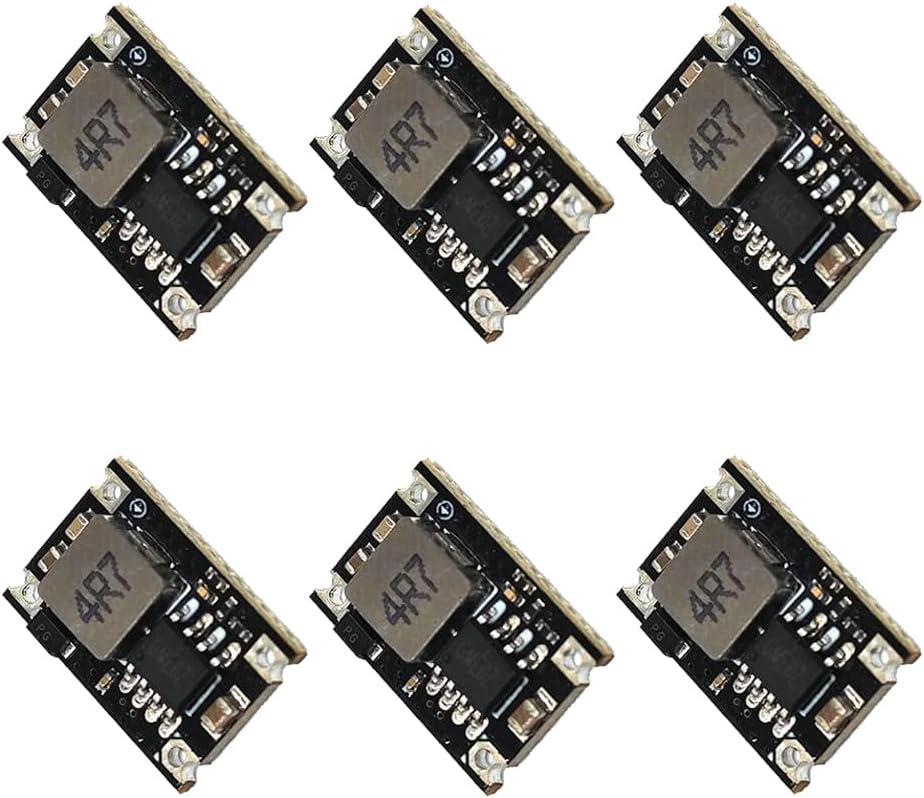
This converter module stands out as our top pick for its versatile input range and stable output. It receives a 4.6 rating from buyers who appreciate its reliability and compact form factor for portable devices.
We may earn a commission when you buy through this link, at no additional cost to you.
The wide 4.5V to 24V input allows it to work with common 9V or 12V power supplies while outputting a clean 3.3V. The low ripple of less than 30mV protects sensitive microcontrollers from voltage fluctuations.
While the small size is a benefit it requires careful handling during soldering. Additionally users should add external protection when connecting motors to prevent damage from inductive kickback.
This module is ideal for hobbyists building multiple circuits or those needing a reliable 3.3V source. Its strong performance and value make it a go-to choice for embedded and DIY projects.
Accepts inputs from 4.5V to 24V making it suitable for various power supplies including batteries and wall adapters.
Measuring just 17.5x12x4.5mm it easily fits into narrow spaces on custom PCBs or portable electronics.
We may earn a commission when you buy through this link, at no additional cost to you.
The AMS1117-3.3 is a classic linear regulator offering simplicity and reliability. With a 4.1 rating this pack is praised for providing a stable 3.3V supply for various development boards and sensors.
We may earn a commission when you buy through this link, at no additional cost to you.
It supports inputs from 4.75V to 12V with a fixed 3.3V output. The dual-panel design and single row pins make it easy to solder onto breadboards or custom PCBs for quick prototyping.
While it is affordable and simple linear regulators like this dissipate more heat as input voltage rises. This limits efficiency when stepping down from higher voltages like 12V to 3.3V.
This pack is perfect for low current projects where simplicity matters most. Ideal for Arduino Uno or similar setups requiring consistent 3.3V power without complex circuitry.
The board design simplifies connections with single row pins that align well with standard headers for easy integration.
Built-in shutdown circuit prevents damage during overload or high temperature conditions ensuring safer operation.
We may earn a commission when you buy through this link, at no additional cost to you.
This unique converter supports inputs as low as 1.8V making it valuable for battery powered devices where voltage drops over time. It holds a perfect 5.0 rating for its stability in low current scenarios.
We may earn a commission when you buy through this link, at no additional cost to you.
The buck and boost functionality ensures a consistent 3.3V output even as input voltage fluctuates. This is critical for powering microcontrollers that need steady voltage for accurate sensor readings.
The 100mA current limit restricts it to low power applications only. Users needing to drive motors or displays should look for higher current alternatives in this guide.
Ideal for wearables and IoT nodes this converter delivers reliable power with minimal footprint. A great choice for energy efficient designs where battery life is the priority.
Accepts inputs from 1.8V to 5V allowing it to step up or down to maintain a steady 3.3V output.
Maximized for low draw circuits ensuring efficiency without wasting battery capacity on unnecessary overhead.
We may earn a commission when you buy through this link, at no additional cost to you.
This Mini360 module is praised for delivering up to 1.5A in a very small footprint. A 5.0 rating reflects its ability to handle demanding loads while staying compact for portable use.
We may earn a commission when you buy through this link, at no additional cost to you.
Its 1.5MHz switching frequency allows smaller components and reduced ripple under 30mV. This ensures clean power for processors and sensors that are sensitive to noise interference.
High currents generate heat so a heatsink might be needed during extended use. Without it thermal throttling could limit long term performance under maximum load conditions.
This module is perfect for portable devices needing more power than typical LDOs provide. Ideal for robotics and sensor arrays where space and efficiency are critical.
Supports up to 1.5A which is sufficient for many microcontrollers and moderate load peripherals.
1.5MHz switching reduces component size and minimizes output ripple for cleaner power delivery.
We may earn a commission when you buy through this link, at no additional cost to you.
The Dorhea 7 pack provides an affordable entry into stable 3.3V power. With a 4.2 rating it is a favorite among hobbyists building multiple small circuits or needing spares for testing.
We may earn a commission when you buy through this link, at no additional cost to you.
Each unit handles up to 800mA and supports inputs from 4.75V to 12V. The 3 pin layout simplifies connection to development boards and ensures constant power for reliable performance.
Since it uses a linear regulator efficiency drops as the voltage difference increases. This may result in more heat and power loss in battery operated scenarios compared to switching options.
For those needing many units on a budget this pack is hard to beat. It delivers reliable power for small electronics while keeping project costs low.
Seven units in one package give you plenty of options for different boards without breaking your budget.
The 3 pin setup makes wiring straightforward and reduces the chance of connection errors.
We may earn a commission when you buy through this link, at no additional cost to you.
This fifteen pack delivers reliable linear regulation with high precision. A perfect 5.0 rating highlights the consistent output and robust safety features that protect components during use.
We may earn a commission when you buy through this link, at no additional cost to you.
It maintains 3.3V within +/- 2% accuracy and supports inputs from 4.75V to 12V. The dynamic voltage control adapts impedance to minimize power consumption across varying load conditions.
The low current limit means it is not suitable for high power devices. Also linear regulators inherently dissipate more heat which might require careful thermal management in confined spaces.
This pack is ideal for projects requiring many identical power rails. The combination of accuracy and bulk count makes it valuable for larger production or testing setups.
Output voltage accuracy of +/- 2% ensures stable performance for sensitive electronics and sensors.
Three pin layout allows direct connection to common boards without additional circuitry.
We may earn a commission when you buy through this link, at no additional cost to you.
This board stands out for its high input voltage range and solid current capacity. A 3.4 rating indicates mixed performance with some units performing well but others showing inconsistencies.
We may earn a commission when you buy through this link, at no additional cost to you.
The 5V to 30V input allows use with 24V systems or higher sources safely. It can deliver up to 1.8A which supports motors or displays requiring more power than typical regulators.
The reverse polarity mark helps prevent installation mistakes during assembly. However the lower rating suggests testing each unit before integrating it into critical circuits.
This option is best for users needing high input tolerance on a budget. It remains a viable choice when higher voltage is a must and strict reliability is less critical.
Accepts inputs up to 30V making it compatible with 24V industrial power supplies and batteries.
Capable of up to 1.8A output to drive moderate power loads without overheating.
We may earn a commission when you buy through this link, at no additional cost to you.
This module is designed for versatile power needs with a broad input range. Although it lacks a user rating its specs show strong capability for 3.3V projects across various voltage sources.
We may earn a commission when you buy through this link, at no additional cost to you.
With inputs from 4.5V to 30V and up to 1.8A output it suits a wide array of devices. The small footprint allows easy integration into wearables and IoT sensors.
Each unit comes tested before shipping which adds confidence. Still lack of user feedback means builders should verify performance in their specific use cases.
Ideal for those needing flexibility across different supply voltages this converter delivers robust specs for modern electronics and portable systems.
The broad input range allows use with batteries solar panels and vehicle power supplies.
Fits into tight PCB layouts ideal for portable gadgets and custom electronics.
We may earn a commission when you buy through this link, at no additional cost to you.
This pack is a strong contender for low voltage step down needs. A perfect 5.0 rating reflects consistent quality and reliability for users powering 3.3V devices from 5V sources.
We may earn a commission when you buy through this link, at no additional cost to you.
With inputs from 4.5V to 7V it is tailored for 5V logic conversion. It delivers a stable 3.3V up to 800mA which suits most microcontrollers and small sensors.
Efficiency drops when input and output voltage difference is large. This makes it less ideal for stepping down from 12V but perfect for 5V to 3.3V transitions.
It remains a budget friendly solution for hobbyists needing multiple stable power rails. A practical choice for Arduino based projects requiring low noise and ease of use.
Designed for lower input ranges ensuring efficiency when stepping down from 5V sources.
Includes overheat protection to prevent damage from unexpected thermal issues.
We may earn a commission when you buy through this link, at no additional cost to you.
This premium pack combines high efficiency with low ripple for top performance. A near perfect 4.9 rating highlights its reliability for powering sensitive electronics and high current devices.
We may earn a commission when you buy through this link, at no additional cost to you.
Using the MP1584EN it delivers up to 1.8A with minimal voltage ripple. The 1.5MHz switching frequency ensures clean output even under varying load conditions.
While it handles inductive loads well external protection is still recommended for motors. High current use may generate heat requiring airflow or cooling for best performance.
This is our top choice for professional and advanced DIY projects. The combination of efficiency current and stability makes it an ideal premium solution.
High efficiency switching design minimizes heat loss and supports stable power delivery.
Low ripple output ensures minimal interference for sensitive microcontroller operations.
We may earn a commission when you buy through this link, at no additional cost to you.
Selecting the right regulator depends on input voltage output current and power efficiency needs.
Ensure the regulator accepts your source voltage such as 5V 9V or 12V. Modules supporting 4.5V to 30V offer more flexibility across battery and wall adapters.
Always check minimum and maximum input ratings to prevent damage or failure.
Choose a regulator that supports your device's maximum current draw. Options range from 100mA for sensors to 1.8A for motors and displays.
Select a unit with some headroom above your load to ensure reliability under peak conditions.
Switching regulators like buck converters are more efficient than linear ones especially when input voltage is high. They reduce heat and save power in battery projects.
For large voltage differences use switching types to avoid overheating and power loss.
Look for low ripple and tight voltage tolerance to protect sensitive chips. Most good units stay under 30mV ripple for clean power supply.
Stable output ensures reliable sensor data and consistent processor performance.
Compact modules fit better in portable wearables and small enclosures. Consider dimensions like 17x12x4mm for tight PCB layouts.
Smaller boards save space but might require careful soldering and thermal management.
Built-in overheat and overcurrent protection add safety to your circuit. These features prevent damage during short circuits or thermal stress.
Prioritize regulators with clear protection markings to ensure component safety.
Consider your use case whether it is prototyping industrial control or embedded systems. Linear regulators suit low noise while switching suit high efficiency.
Align the choice with your project's noise and power constraints.
Buying in packs like 5 7 or 10 offers better value and spares. Larger packs are helpful for multiple builds or replacing faulty units.
Evaluate total cost per unit before committing to a bulk purchase.
Connect the input wires to the VIN pin and output to OUT pin following polarity marks. Ensure secure soldering or use headers to prevent loose connections.
Add a bypass capacitor near input and output pins to reduce noise and improve stability. Typical values are 10uF on input and 1uF on output.
For inductive loads like motors add a diode across the load to protect the regulator. Monitor temperature during use and use heatsinks if current exceeds 1A.
Linear regulators like AMS1117 simplify voltage step down but dissipate heat. Switching regulators use pulse modulation to step down efficiently reducing power waste.
Yes if the regulator supports up to 24V or more. Ensure it is rated for high input voltages to prevent internal component failure.
Most buck converters need input and output capacitors to filter noise. Refer to the datasheet for recommended capacitor values for stable output.
Add a flyback diode across the motor terminals to absorb voltage spikes. This prevents inductive kickback from damaging the regulator or circuit.
Look for mini modules under 20mm in length to fit inside cases. Compact buck boards with low height help keep the device slim.
Packs provide cost savings and spares for testing or future builds. Buying multiple units ensures you have backups without extra shipping costs.
Our top picks cover a range of needs from high current to compact size. The buck modules lead in efficiency while linear options suit low noise projects.
Prioritize input range and current capacity to avoid mismatched components. A regulator that supports your load ensures stable performance.
Always check current listings as specs and pricing may change. This guide provides reliable data to help you build effective and lasting circuits.