
Radial Mix 2:1 2-channel Passive Mixer
4.8Editor score
Two channel passive mono summing
Simple two inputs one output
Compact passive design without power
Discover the top analog summing mixers for studio and live use. This guide compares features, sound quality, and connectivity across ten leading models.
Analog summing mixers provide a unique way to blend digital tracks into a cohesive sound. They add warmth and depth that software alone often lacks. Choosing the right unit depends on your studio size and workflow needs.
We evaluated ten top models based on channel count, build quality, and sonic characteristics. Each product offers distinct advantages for different types of audio production. Our list covers everything from compact desktop units to full rack systems.
Every pick highlights specific strengths to help you match gear with your goals. Prices fluctuate often so always verify current listings before buying. These selections represent the best options available in the current market landscape.
4.8Editor score

This side by side comparison highlights the core specifications and features of each mixer. Use this table to quickly identify which unit fits your channel count and budget requirements.




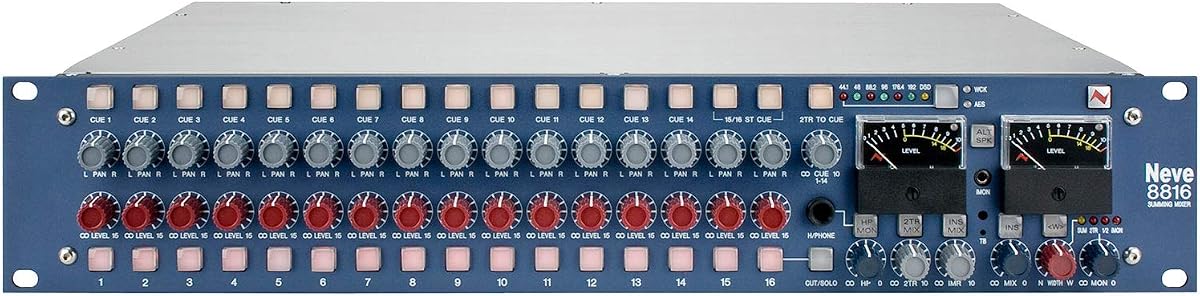
The Neve 8816 stands as a benchmark for analog summing. It combines sixteen channels of mixing with the legendary Neve transformer sound. Users report a noticeable warmth and depth when blending digital tracks through this unit.
We may earn a commission when you buy through this link, at no additional cost to you.
Its transformer balanced architecture ensures low noise and high signal integrity. The monitoring section includes dual headphone outputs and speaker switching for flexible control. This makes it ideal for mastering engineers needing precise listening options.
While expensive, the investment pays off in sonic quality and durability. The build is heavy and built to last decades. Trade-offs include the need for rack space and external power but most studios accept these limits.
Buy this if you demand top tier analog summing in a compact form. It suits professional studios aiming for classic analog character. Final recommendation favors those prioritizing sound quality over cost.
The transformers impart a signature warmth that many producers seek for final mixes.
Dual headphone jacks allow multiple engineers to listen simultaneously during sessions.
We may earn a commission when you buy through this link, at no additional cost to you.
The Radial Mix 2:1 offers an affordable entry into analog summing. It is a passive unit that requires no power supply. This simplicity makes it robust and easy to integrate into any signal chain.
We may earn a commission when you buy through this link, at no additional cost to you.
It features two inputs summed to a mono output. While limited in channel count, it works well for specific submix applications. The passive design ensures no coloration beyond the summing process itself.
Users may find the two channel limit restrictive for full mixes. Also there is no gain control on the inputs. However for specific routing tasks this limitation is often acceptable.
This unit suits hobbyists or those needing a simple submixer. It is perfect for merging two tracks before hitting a main bus. We recommend it for budget conscious users needing reliability.
Without active electronics it avoids noise and power issues common in cheaper units.
Its small size fits easily on crowded desks without taking up much space.
We may earn a commission when you buy through this link, at no additional cost to you.
The 5059 Satellite brings the Shelford tone to summing. It offers sixteen inputs with two plus two outputs for flexible routing. This unit is designed for serious producers wanting top tier analog sound.
We may earn a commission when you buy through this link, at no additional cost to you.
Its design allows for parallel processing and multiple master buses. The tonal character is rich and detailed. Users praise its ability to glue tracks together without muddying the mix.
Cost is the primary barrier to entry. It is also complex compared to simpler mixers. Beginners might find the routing overwhelming initially. However pros will appreciate the flexibility.
Buy this if you need a high end summing solution. It fits well in mastering suites or large production environments. We recommend it for those prioritizing sound quality above all.
The Shelford edition ensures a specific high quality harmonic character desired by pros.
Multiple outputs allow splitting mixes for different master buses or processing chains.
We may earn a commission when you buy through this link, at no additional cost to you.
The Headliner R4 focuses on DJ performance rather than studio summing. It features four stereo channels with built in filters and EQs. This design helps shape sound during live performance or DJ sets.
We may earn a commission when you buy through this link, at no additional cost to you.
Its analog filters offer high and low pass options with resonance control. The build quality is high with ALPS pots and wood panels. This gives it a classic aesthetic and reliable tactile feel.
It lacks multi track recording capabilities found in studio mixers. This makes it less ideal for hybrid production setups. However for performance or DJ summing it excels.
Buy this if you need a robust DJ mixer with analog warmth. It suits live performers needing precise control. We recommend it for those prioritizing live sound over recording.
Frequency and resonance controls allow dynamic sound shaping during mixes.
Metal enclosure and wood panels ensure durability and a classic look.
We may earn a commission when you buy through this link, at no additional cost to you.
The Mackie Onyx 16 channel offers a hybrid approach to mixing. It combines analog channels with USB recording for direct computer integration. This makes it versatile for both live and studio applications.
We may earn a commission when you buy through this link, at no additional cost to you.
Onyx preamps provide up to 60dB of gain with low noise. The multi track recording allows each channel to be saved separately. This is useful for hybrid workflows requiring analog warmth and digital editing.
Bluetooth streaming adds convenience for playback from mobile devices. However the USB interface might introduce latency if not configured well. Users should check driver stability for critical monitoring.
Buy this if you need recording capabilities alongside analog summing. It suits project studios needing flexibility. We recommend it for hybrid producers wanting both worlds.
USB recording allows digital editing after analog summing for best of both.
Onyx preamps deliver high gain and low noise for professional recordings.
We may earn a commission when you buy through this link, at no additional cost to you.
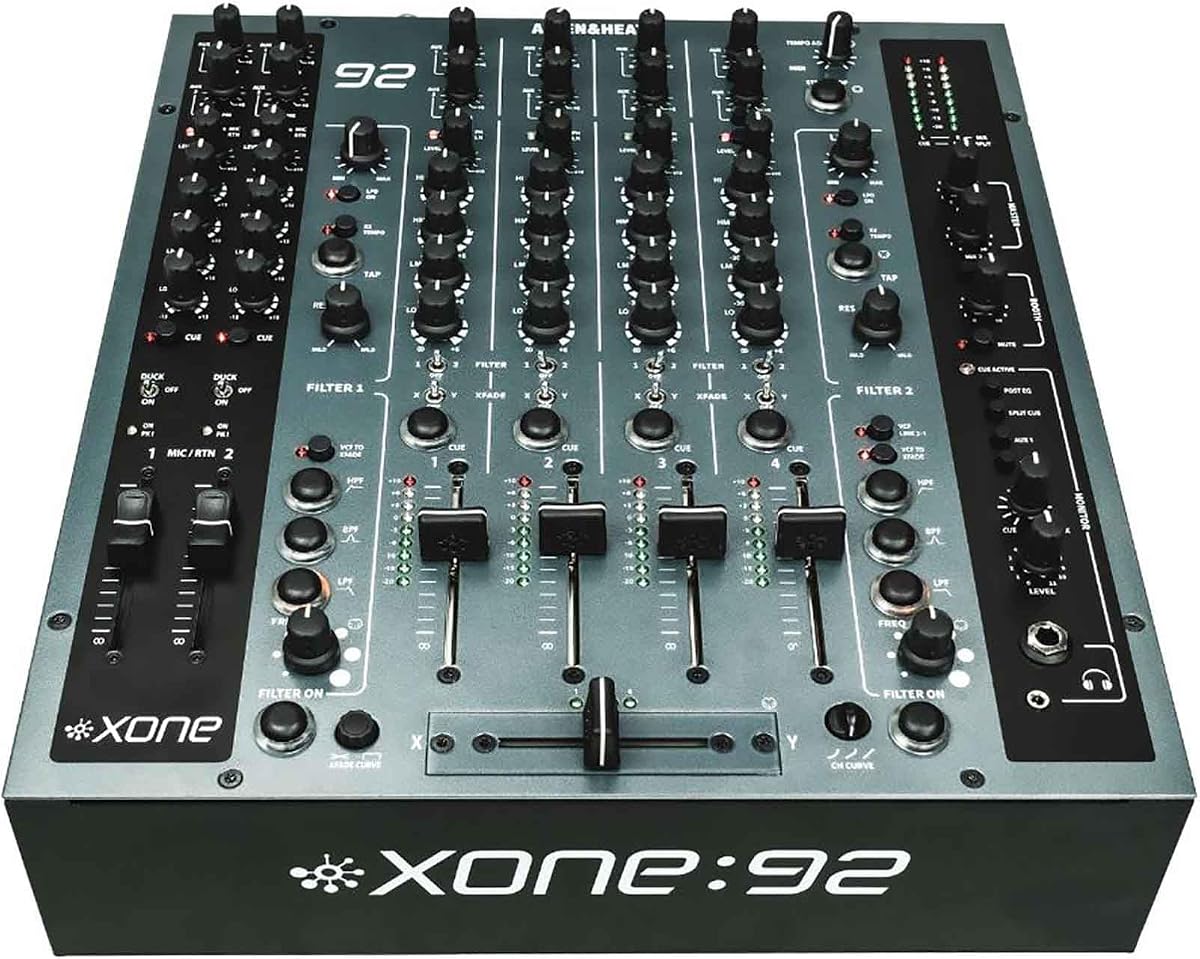
The Xone:92 Mk2 is a top choice for professional DJs. It features the advanced XONE VCF system for precise sound shaping. The analog path ensures warm and dynamic mixes during performances.
We may earn a commission when you buy through this link, at no additional cost to you.
Multimode filters offer high and low pass options with resonance. Send return connections allow external FX integration. This flexibility makes it ideal for complex live setups.
It is expensive compared to entry level mixers. The VCF controls require practice to master fully. Beginners might feel overwhelmed initially. However pros value the control it offers.
Buy this if you need a pro grade DJ mixer. It suits touring artists needing reliability and sound quality. We recommend it for those prioritizing performance flexibility.
Switching modes allow precise filtering tailored to the mix style.
Individual dry wet controls allow deep integration of effects units.
We may earn a commission when you buy through this link, at no additional cost to you.
The Xone:43 is a compact analog mixer with professional features. It includes four main channels plus one additional channel for mics. This layout suits mobile DJs needing portable yet capable gear.
We may earn a commission when you buy through this link, at no additional cost to you.
The VCF system provides high and low pass filtering with resonance. Send return connections allow easy FX integration. Booth and record outputs provide dedicated monitoring options for performance.
It is innofader compatible for scratch performance. However it lacks digital inputs for modern controllers. Users relying on USB signals may need additional adapters.
Buy this if you need a portable analog mixer. It suits mobile DJs wanting quality. We recommend it for those prioritizing analog sound over digital connectivity.
Compact size reduces weight while keeping pro features like VCF.
Fader compatibility allows easy upgrade for scratch DJs.
We may earn a commission when you buy through this link, at no additional cost to you.
The Mackie 1202VLZ4 offers twelve channels of reliable analog mixing. It includes Onyx mic preamps with low noise and high gain. This makes it suitable for live sound or recording applications.
We may earn a commission when you buy through this link, at no additional cost to you.
Its dynamic range of 128.5dB ensures clarity. The three band EQ and low cut filter provide basic control. However it lacks digital recording features found in newer mixers.
The unit is affordable and easy to use. But the EQ is fixed rather than sweepable. Users needing detailed tone shaping might find it limiting.
Buy this if you need a simple analog mixer on budget. It suits small venues or recording basics. We recommend it for those prioritizing value.
Onyx preamps minimize noise for cleaner signals in quiet environments.
Aux sends and simple routing make it easy for live applications.
We may earn a commission when you buy through this link, at no additional cost to you.
The SSL BiG SiX brings professional studio quality to desktop mixing. It offers 18 input summing and a USB audio interface. This allows for seamless hybrid production workflows.
We may earn a commission when you buy through this link, at no additional cost to you.
SuperAnalogue mic preamps deliver clean and detailed sound. The master bus compressor adds glue to mixes. High quality converters ensure accurate monitoring during playback.
It is expensive and requires significant desk space. However the build quality justifies the investment. Users appreciate the sonic character and routing flexibility.
Buy this if you need a high end hybrid console. It suits serious studios seeking SSL quality. We recommend it for those prioritizing professional sound.
Combines analog summing with digital interface for efficient production.
Stereo compression glues tracks together during final summing stages.
We may earn a commission when you buy through this link, at no additional cost to you.
The Yamaha MG10 offers ten channels in a compact format. It features D-PRE preamps that provide smooth highs and fat bass. This makes it suitable for small live gigs or rehearsal spaces.
We may earn a commission when you buy through this link, at no additional cost to you.
1 knob compressors simplify dynamics control for live sound. The rugged metal chassis withstands transport. However it lacks USB recording capabilities. Users need external interfaces for digital recording.
Its simplicity makes it reliable and easy to operate. The EQ is fixed but effective for basic needs. This trade-off ensures stability without complex menus.
Buy this if you need a simple live mixer. It suits small venues or bands. We recommend it for those prioritizing reliability.
Simple compression control allows quick adjustments during live sound checks.
Powder coated metal ensures longevity for frequent transport use.
We may earn a commission when you buy through this link, at no additional cost to you.
Selecting the right mixer depends on channel needs and workflow style.
Determine how many inputs you need for your studio or live setup. Larger studios require sixteen or more channels while small setups need fewer.
Choose a unit with enough channels to avoid needing a second mixer later.
Different brands like Neve and SSL offer unique tonal flavors. Consider if you want warmth or clarity for your mixes.
Test the sound profile to match your production style.
Heavy enclosures and high quality pots ensure longevity and tactile feel. Look for metal chassis and robust connectors for reliability.
Invest in a unit that withstands frequent transport or rack use.
Check inputs and outputs to match your existing gear. XLR and TRS connections are standard for professional setups.
Ensure balanced outputs for clean signal transmission to studio monitors.
Some mixers allow split outputs or send returns for external effects. This is vital for complex mixing workflows.
Choose units with multiple bus options if you need parallel processing.
Dual headphone outputs or dedicated monitor controls help during sessions. This allows engineers to listen simultaneously.
Look for a comprehensive monitoring section for better control.
Prices vary widely from passive units to premium consoles. Determine your spending limit early to narrow options.
Balance cost with feature needs for a smart investment.
If you need recording, consider hybrids with USB interfaces. Pure analog units lack digital capabilities.
Select based on whether you need digital output.
Connect your sources carefully to avoid ground loops. Use balanced cables whenever possible to reduce noise in the signal path.
Calibrate levels to avoid clipping. Use gain staging to ensure inputs are optimal before summing.
Keep the unit clean with dry cloth. Avoid dust buildup on faders or pots for smooth operation.
Analog summing combines multiple audio signals into a single output using analog circuitry. It often adds warmth or depth compared to digital summing.
It depends. If you want analog texture or glue, a summing mixer helps. If you rely on plugins, you may not need one.
Active mixers require power and offer gain or EQ. Passive mixers work without power but may attenuate signal levels.
Hybrid mixers with USB outputs allow recording. Pure analog mixers require an external interface for capture.
Pros value the sonic character and tactile control. Summing offers unique harmonics not easily replicated in software.
Count your typical sources. If you mix full tracks, sixteen is standard. For partial summing, fewer channels may suffice.
Our top picks include the Neve 8816 for pros, Radial Mix 2:1 for budgets, and the 5059 for premium needs.
Prioritize tonal character and build quality over features if sound is key. Match the mixer to your specific workflow.
Check current prices and availability before buying. Markets change often so verify details before finalizing your purchase.