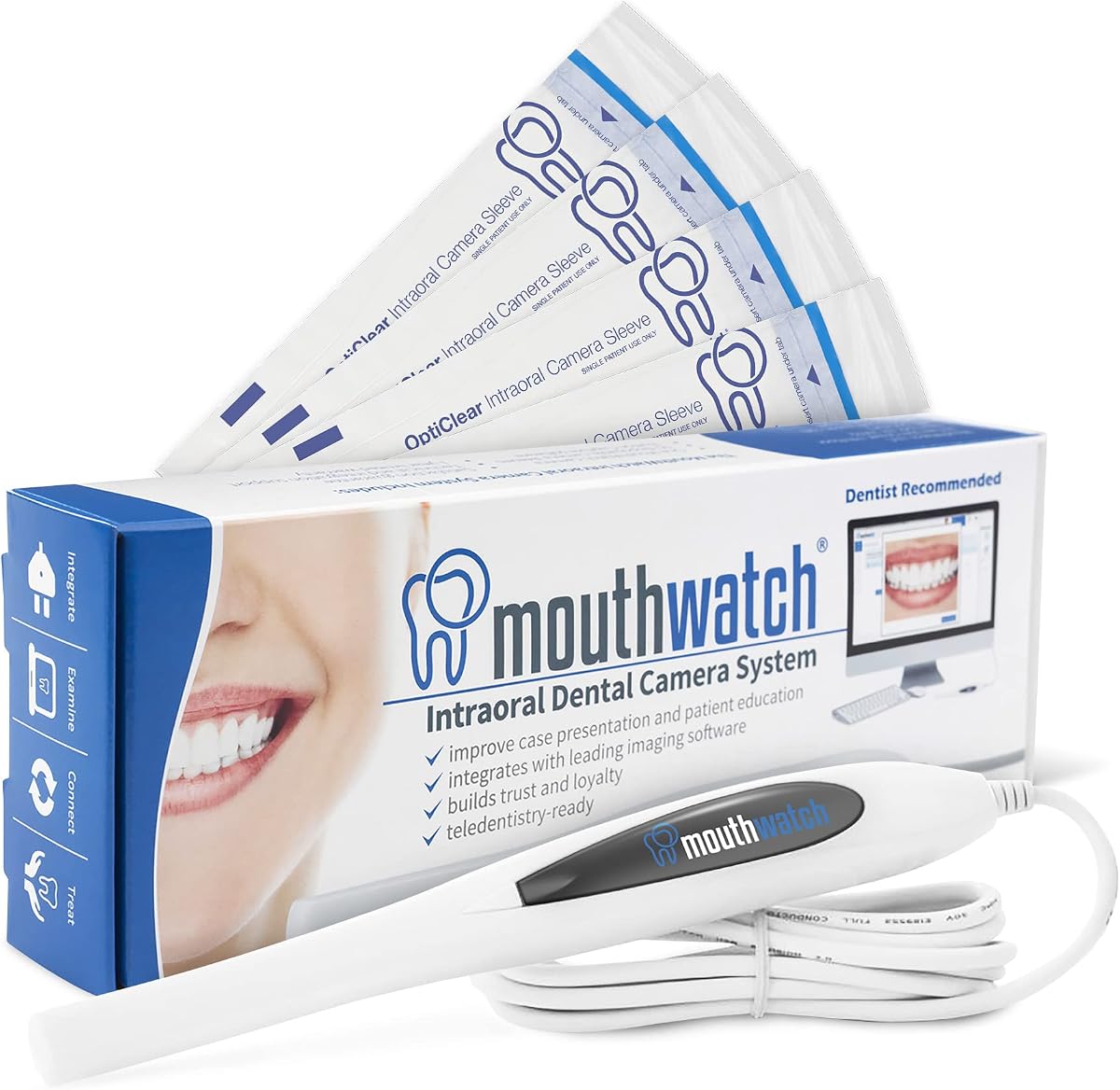
Intraoral Camera Crystal Clear Images
4.4Editor score
Crystal Clear Intraoral Images
Sharp and Focused Capture
Quick One-Button Operation
This guide compares the top 10 cameras for dental photography, evaluating intraoral tools and DSLRs to help professionals capture clear images for patient care.
Finding the right camera for dental photography is essential for modern clinical practice. Clear images help dentists communicate treatment needs effectively and build trust with patients. Whether you need an intraoral device or a versatile DSLR, the right tool enhances diagnostic accuracy and case acceptance.
We evaluated ten leading products based on image quality, ease of use, software compatibility, and ergonomic design. Our analysis covers dedicated intraoral cameras and general photography DSLRs that can be adapted for oral imaging. Each option offers unique benefits for different clinical workflows and budgets.
Each pick below highlights key features, pros, and cons to help you make an informed decision. Prices and availability change frequently, so always check the latest details before purchasing. Our goal is to provide reliable information to support your professional photography needs.
4.4Editor score

4.5Editor score

4.0Editor score
This table provides a side-by-side overview of the ten selected cameras. It highlights key specifications and capabilities to help you compare options quickly based on your specific clinical requirements and workflow preferences.


This intraoral camera stands out for its ability to capture crystal clear images quickly and efficiently. With a lightweight 31-gram design and single-button operation, it simplifies patient interactions. Its compatibility with over 50 dental imaging suites ensures seamless integration into most clinics.
We may earn a commission when you buy through this link, at no additional cost to you.
The fixed focal distance eliminates the frustration of auto-focus hunting, allowing professionals to focus on the patient. Images are well-illuminated and sharp, helping patients understand treatment needs. This leads to better case comprehension and higher acceptance rates.
While the fixed focus might limit flexibility for macro photography outside the mouth, it is ideal for intraoral shots. The lack of lag and immediate saving to charts saves valuable time during busy days.
This camera is perfect for dentists seeking a reliable, user-friendly tool without a high price tag. It offers excellent value for clinics needing efficient documentation and patient communication tools.
The proprietary capture software supports all major imaging solutions like Eaglesoft and Dexis, ensuring quick setup and compatibility with your existing workflow.
Clear images help patients visualize treatment needs, leading to improved case acceptance and trust in the recommended procedures.
We may earn a commission when you buy through this link, at no additional cost to you.
The Canon EOS Rebel T7 is a powerful DSLR that can be adapted for dental photography with the right lens. Its 24.1MP sensor captures vibrant colors and sharp details essential for documenting oral conditions accurately. Built-in Wi-Fi allows easy transfer to practice management systems.
We may earn a commission when you buy through this link, at no additional cost to you.
While not a dedicated intraoral camera, its interchangeable lens system offers flexibility. With a macro lens attachment, it can produce high-quality images suitable for patient records. The optical viewfinder provides clear composition even in bright environments.
The main trade-off is the need for additional lenses and setup time compared to dedicated dental cameras. It is heavier and less ergonomic for intraoral use, making it better for extraoral documentation.
This option suits dentists who already own DSLRs or want a multi-purpose camera. It balances quality and cost while offering room to grow with additional lenses and accessories.
The APS-C CMOS sensor ensures vibrant colors and sharp details, essential for accurate dental documentation and analysis.
Built-in Wi-Fi and NFC allow for quick photo transfers to smartphones or tablets, streamlining workflow efficiency.
We may earn a commission when you buy through this link, at no additional cost to you.
This bundle provides everything needed to start shooting immediately, including a memory card and bag. The Rebel T7 offers excellent image quality with its 24.1MP APS-C CMOS sensor and DIGIC 4+ processor. It is an affordable entry point into DSLR photography.
We may earn a commission when you buy through this link, at no additional cost to you.
The included 18-55mm lens is versatile but requires a macro lens for dental work. The bundle offers convenience and value, making it ideal for those new to photography or needing extra gear without extra cost.
Its weight and size make it less ideal for intraoral use, but it excels at extraoral documentation and teaching materials. The Wi-Fi connectivity is a plus for sharing images easily.
For practices needing a flexible imaging solution, this bundle offers great value. It is a solid choice for those who can manage the extra setup for specific dental shots.
The bundle includes a memory card, battery, and shoulder bag, reducing the need for additional purchases upon setup.
Built-in Wi-Fi and NFC let you transfer photos to smartphones or tablets for quick sharing or backups.
We may earn a commission when you buy through this link, at no additional cost to you.
The EOS R50 is a modern mirrorless camera with a 24.2MP APS-C sensor and DIGIC X processor. It offers fast shooting speeds and advanced autofocus that can track subjects precisely. This makes it a powerful tool for capturing detailed images.
We may earn a commission when you buy through this link, at no additional cost to you.
For dental photography, its lightweight body is advantageous for handheld use. However, it requires RF-S lenses, which may limit macro options compared to EF systems. The touchscreen and vari-angle display aid in composing shots from different angles.
Its high cost and need for specific lenses make it less practical than dedicated dental cameras. But for clinics needing both imaging and video capabilities, it offers high performance.
This camera is best for those wanting top-tier technology in a portable package. It delivers excellent results but requires investment in the RF lens ecosystem.
Dual Pixel CMOS AF II covers up to 100% area with 651 AF zones for precise subject tracking and sharp focus.
Record 4K video and stills with ease, offering versatility for educational content and clinical documentation.
We may earn a commission when you buy through this link, at no additional cost to you.
The Sony ZV-1 is designed for creators with a compact design and ZEISS lens. It offers vibrant images and good low-light performance thanks to its 1-inch stacked Exmor RS CMOS sensor. The bundle includes a card, tripod, and case.
We may earn a commission when you buy through this link, at no additional cost to you.
For dental use, the fixed 24-70mm lens lacks true macro capability. While the product showcase mode helps focus on items, it is not ideal for intraoral shots. Its small size is beneficial for portability.
The trade-off is limited flexibility compared to interchangeable lens systems. It works better for extraoral photos or video tutorials than detailed dental imaging.
This camera suits those prioritizing portability and video features. It is a good secondary tool but not a primary solution for clinical dental photography.
Weighing under 300 grams, the ZV-1 is easy to carry and handle, making it convenient for on-the-go use.
Built-in Wi-Fi and Bluetooth enable easy file transfer to smartphones for quick sharing and editing.
We may earn a commission when you buy through this link, at no additional cost to you.
This camera boasts an 88MP sensor and 8K video, promising high-resolution captures. It features a dual-lens system and 16X digital zoom for flexible framing. At a low price, it appeals to budget-conscious users.
We may earn a commission when you buy through this link, at no additional cost to you.
For dental photography, digital zoom is not ideal for macro detail. The sensor quality may not match professional standards, affecting color accuracy. However, the touchscreen and WiFi ease basic operation.
It lacks the specialized lens and ergonomics of dedicated dental cameras. While affordable, it may not meet clinical documentation standards consistently.
This option is best for casual or non-critical use. It provides high specs on paper but lacks the reliability needed for medical imaging.
The 88MP sensor and 8K video offer high-resolution potential for detailed captures and digital documentation.
WiFi transfer and touchscreen allow intuitive control and easy sharing of captured media.
We may earn a commission when you buy through this link, at no additional cost to you.
The DY-50 is a dedicated intraoral camera designed for clinical integration. It works with major software like Dexis and Eaglesoft using an included capture button driver. Its ergonomic design allows easy upper and lower capture with a button press.
We may earn a commission when you buy through this link, at no additional cost to you.
The anti-fog non-spherical lens ensures clear images inside the mouth without distortion. It connects directly via USB, requiring no extra hardware. This plug-and-play setup minimizes downtime.
The main limitation is software compatibility; if your system is not listed, you must use its proprietary software. Resolution is lower than DSLRs but sufficient for clinical notes.
This camera is perfect for practices needing reliable, easy-to-use documentation. It balances performance and cost while integrating well with existing software.
Works with major dental software systems, ensuring easy integration into existing clinical workflows and patient records.
Designed for easy use with a button press for capturing images, allowing professionals to focus on patient care.
We may earn a commission when you buy through this link, at no additional cost to you.
The DY-60 offers 720P HD imaging with a 4X zoomable lens. It supports major dental imaging software with an included capture button. This zoom feature allows flexible framing without moving the camera.
We may earn a commission when you buy through this link, at no additional cost to you.
HD video can be useful for capturing procedures. However, 720P resolution may limit fine detail compared to higher-end options. The zoom is digital, not optical, which affects image sharpness.
It is a cost-effective solution for basic documentation needs. While not ideal for high-detail analysis, it suffices for general clinical records.
This camera suits small practices or those needing extraoral documentation. It provides good value with essential features without high complexity.
The 4X zoomable lens provides flexible framing options for capturing various angles and areas within the oral cavity.
Recording HD video helps document procedures and movements for patient review and educational purposes.
We may earn a commission when you buy through this link, at no additional cost to you.
This system features a 17-inch touchscreen computer paired with a 5mm intraoral camera. It offers HD imaging and QR transfer for quick photo sharing. The quad-split view helps compare images efficiently for patient presentations.
We may earn a commission when you buy through this link, at no additional cost to you.
The all-in-one design reduces hardware needs and simplifies setup. High-performance chip ensures smooth visuals. WiFi QR functionality streamlines transfer without cables.
Its size and cost may be prohibitive for smaller offices. However, the workflow efficiency and presentation features justify the investment for larger clinics.
This is ideal for practices wanting a centralized imaging station. It combines imaging, storage, and presentation tools in one unit.
The 17-inch touchscreen lets you switch between views and manage images without needing external computers or monitors.
WiFi QR transfer and quad-split views make documentation and patient presentations faster and more organized.
We may earn a commission when you buy through this link, at no additional cost to you.
This lighting aid is designed to improve phone photography for dental documentation. It offers adjustable brightness and omni-directional shooting with a removable bracket. USB charging ensures convenience.
We may earn a commission when you buy through this link, at no additional cost to you.
It enhances images by providing consistent lighting inside the mouth. However, it is an accessory that relies on your phone camera. Image quality depends on your smartphone's sensor and lens.
For budget-conscious setups, this is a practical addition. It improves visibility but does not offer the specialized optics of a dedicated camera.
Best for practices using smartphones for records. It is a cost-effective way to improve lighting without buying a full camera system.
Adjustable LED lights provide uniform illumination, helping to reduce shadows and highlight oral details accurately.
The removable handpiece bracket allows easy adjustment of angles to suit different shooting positions and phone sizes.
We may earn a commission when you buy through this link, at no additional cost to you.
Choosing the right camera involves considering image quality, ease of use, software integration, and ergonomics. This guide outlines key factors to help you select a camera that fits your clinical workflow and budget.
Image quality is paramount for accurate diagnosis and patient communication. Look for high resolution and color accuracy. Intraoral cameras with non-spherical lenses reduce distortion.
Prioritize sensors that deliver sharp, clear images without excessive noise.
Your camera must integrate with your dental practice management software. Check if it supports major suites like Eaglesoft or Dexis. Capture button drivers can streamline workflows.
Ensure the camera offers seamless integration to avoid data entry errors or workflow interruptions.
Intraoral cameras should be ergonomic and easy to handle. Single-button capture saves time during busy appointments. Lightweight designs reduce fatigue.
Choose options that minimize setup time and are intuitive for staff.
Modern cameras often include Wi-Fi or Bluetooth for quick transfers. This helps in sharing images with patients or labs efficiently. USB connections remain reliable for wired setups.
Wireless options add convenience but ensure secure data transmission.
Proper lighting is crucial for capturing accurate tooth shades and details. Built-in LED lights or external aids ensure consistent illumination. Adjustable brightness helps adapt to different mouth conditions.
Look for anti-fog and non-spherical lens designs to avoid light distortion.
DSLRs offer versatility for extraoral and macro shots but require lenses. Dedicated intraoral cameras excel inside the mouth. Decide if you need multi-purpose imaging or specialized tools.
Balancing flexibility and specialization is key to workflow efficiency.
Access to technical support can save time when issues arise. Look for vendors offering responsive help and clear integration instructions. Lifetime support adds long-term value.
Ensure the manufacturer stands behind their product with reliable service.
Prices range from affordable accessories to premium all-in-one systems. Consider long-term value over upfront cost. Bundles with accessories offer savings but check lens suitability.
Invest in a tool that meets your clinical needs without unnecessary extras.
Begin by ensuring the camera is securely connected to your system. For intraoral cameras, use provided sheaths to maintain hygiene. Clean lenses with approved solutions to avoid scratches.
When capturing images, position the camera steadily and ensure adequate lighting. Use capture buttons or software triggers for sharp shots. Avoid auto-focus delays by using fixed-focus cameras when possible.
Store the camera in a dry, safe place after use. Regularly update firmware and software to maintain performance. Clean accessories like brackets and tripods to ensure longevity.
The best camera depends on your needs. Dedicated intraoral cameras like the DY-50 offer seamless integration, while DSLRs like the Canon T7 provide versatility. Consider software compatibility and budget.
Many require specific capture drivers for seamless integration with practice management systems. Always verify compatibility with your software before purchasing to avoid workflow disruptions.
Yes, with a macro lens attachment, a DSLR can be used for both intraoral and extraoral documentation. However, dedicated dental cameras are optimized for intraoral ease.
Clean the camera after each patient using approved disinfectants. Use protective sheaths for intraoral use to prevent cross-contamination and maintain hygiene standards.
A minimum of 1600×1200 is sufficient for clinical notes. Higher resolutions offer more detail but are not always necessary. Prioritize color accuracy and sharpness over extreme megapixels.
Many are wired for reliable connection. Some models offer wireless or QR transfer options. Check specific product details if you need mobility during appointments.
We reviewed ten cameras ranging from dedicated intraoral tools to versatile DSLRs. Top picks include the Intraoral Camera Crystal Clear Images for value and the DY-50 for reliability. Each offers unique advantages.
Prioritize software compatibility and ease of use for smooth clinical workflows. Choose cameras that minimize setup time and produce clear images to enhance patient communication.
Prices and availability change frequently. Always check current listings and verify your software compatibility before purchasing to ensure the best fit for your practice.