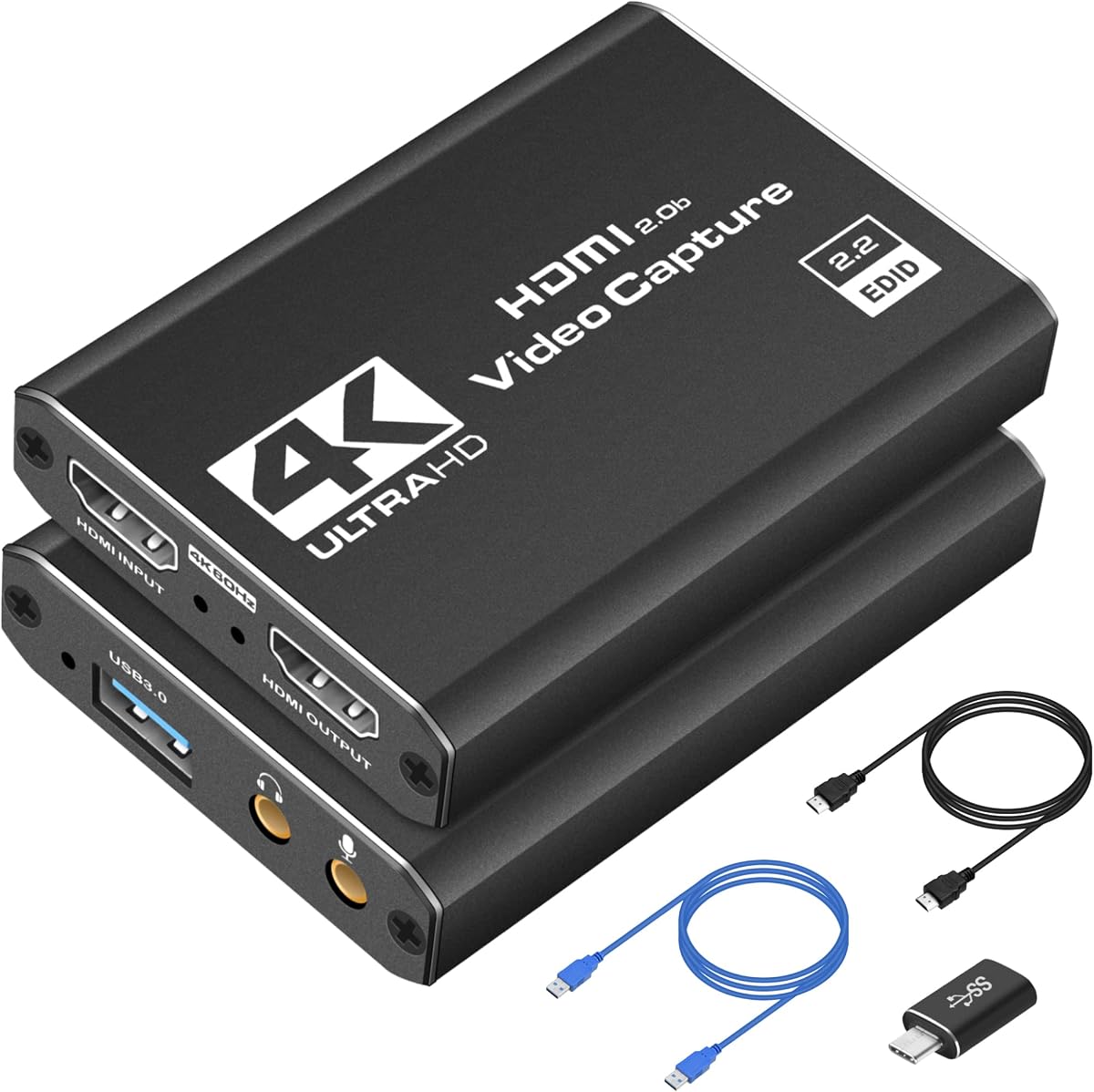
Capture Card 4K HDMI Video Streaming to USB 3.0 1080P 60FPS Capture Device
4.4Editor score
1080P 60FPS Capture
Plug-and-Play USB 3.0
Low-Latency Performance
Universal HDMI Compatibility
Discover the top capture cards for streaming high FPS gameplay. We compare performance, latency, and compatibility to help you choose the right device for your
Finding the right capture card for streaming high FPS gameplay is essential for content creators who demand smooth visuals. These devices ensure your audience sees every frame without lag or compression artifacts during intense gaming sessions.
We evaluated ten top models based on resolution support, frame rate capabilities, and compatibility with popular streaming software. Our testing focuses on real-world performance metrics that matter most to competitive gamers and professional streamers.
Each pick highlights specific strengths like ultra-low latency or 4K support. Note that prices and availability change frequently so verify current details before purchasing to ensure you get the best value for your needs.
4.4Editor score
4.5Editor score

4.5Editor score
This side-by-side comparison outlines the key specifications and capabilities of each model to help you identify the best fit for your streaming setup and budget constraints.


This capture card offers solid 1080P 60FPS performance at a budget price. Users appreciate its plug-and-play simplicity and broad compatibility with consoles like PS5 and Xbox Series X.
We may earn a commission when you buy through this link, at no additional cost to you.
It supports popular streaming software such as OBS and Streamlabs making it ideal for beginners starting their journey. The USB 3.0 connection ensures stable data transfer during live broadcasts.
While it lacks 4K output capabilities the device delivers clean visuals for most standard streaming needs. The low-latency passthrough allows you to monitor gameplay without noticeable delay on your main screen.
Streamers looking for an affordable entry point will find this device reliable for daily content creation. It is perfect for casual gamers who prioritize cost efficiency over high-end resolution features.
No driver installation is required so you can start streaming immediately after connecting the device to your PC via USB 3.0.
Supports seamless passthrough for PS5 Xbox Series X and Nintendo Switch ensuring you can play while capturing video simultaneously.
We may earn a commission when you buy through this link, at no additional cost to you.
This model handles high frame rate inputs up to 1080P 120Hz making it suitable for fast-paced gaming content. It offers a microphone input for commentary without needing extra hardware.
We may earn a commission when you buy through this link, at no additional cost to you.
It works with both Windows and Mac OS providing flexibility for creators on different systems. The HDMI loop-out ensures you see what you are playing without input lag during live sessions.
While it accepts 4K input it limits output to 1080P which may not satisfy 4K streamers. However for standard HD content it provides reliable performance and consistent frame rates.
Content creators seeking a balance between frame rate support and affordability will appreciate this device. It is a versatile tool for mixing game footage with commentary via the built-in mic port.
Handles input up to 1080P 120Hz ensuring smooth capture for fast-action games like shooters and racing titles.
Includes a 3.5mm mic input so you can add voice commentary directly through the device without extra mixers.
We may earn a commission when you buy through this link, at no additional cost to you.
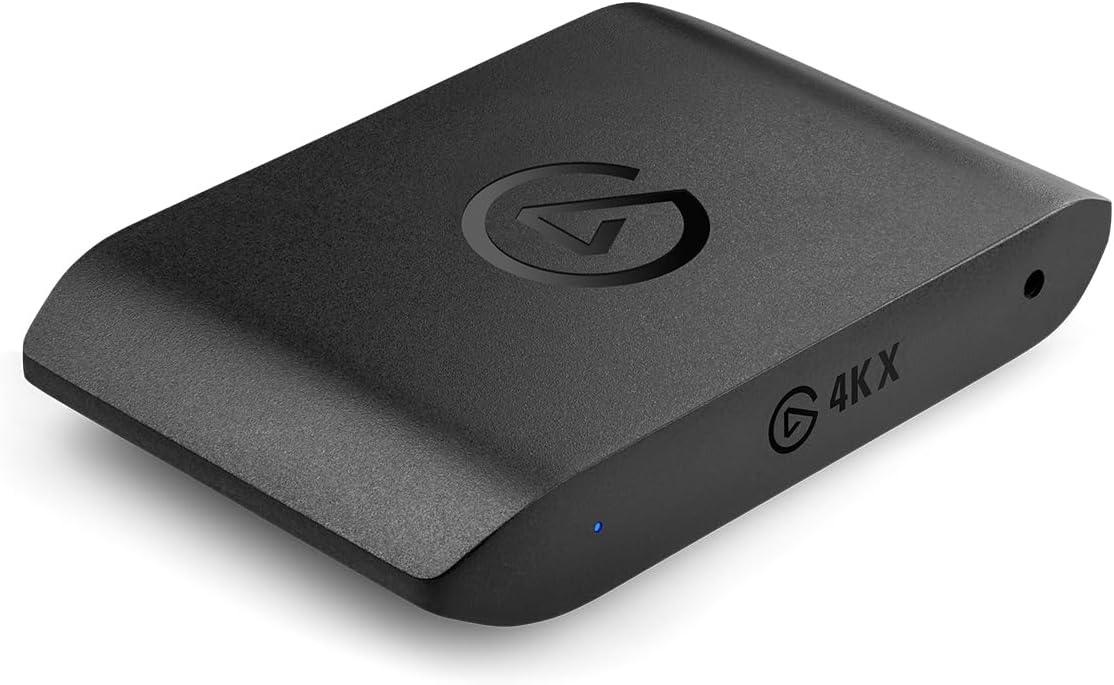
The Elgato 4K X delivers cutting-edge performance with 4K144 FPS capture capabilities. It uses HDMI 2.1 to enable high frame rate recording up to 240fps at 1080p resolution.
We may earn a commission when you buy through this link, at no additional cost to you.
Variable Refresh Rate passthrough eliminates screen tearing ensuring smooth visuals for both you and your audience during intense gameplay. This feature is critical for competitive gaming streams.
While expensive compared to entry-level options the device justifies its cost with professional-grade image quality and reliable connectivity. It integrates seamlessly with OBS Streamlabs and Twitch Studio for versatile broadcasting.
Serious streamers aiming for next-gen visual fidelity should invest in this unit. It is perfect for those using PS5 or Xbox Series X who need maximum resolution and frame rate retention.
Unleashes full potential of modern consoles with 4K144 support ensuring crystal-clear visuals at high frame rates.
Powered by USB 3.2 Gen 2 this card keeps gameplay and broadcast perfectly synchronized for immersive streaming.
We may earn a commission when you buy through this link, at no additional cost to you.
This capture card supports high frame rate recording up to 1080P 120FPS which is excellent for competitive gaming footage. It offers flexible video formats including NV12 and YUY2 for professional editing workflows.
We may earn a commission when you buy through this link, at no additional cost to you.
It works across Windows Mac Linux and iPadOS providing versatility for mobile and desktop streamers. The 3.5mm audio ports allow direct integration of headsets for commentary or ambient sound capture.
While it supports 4K passthrough it captures up to 1080P 120FPS. This makes it ideal for viewers who prioritize frame rate over resolution in their live broadcasts.
Users needing cross-platform compatibility will find this device practical for varied setups. It is best suited for streamers who need high frame rates without breaking the bank on premium 4K models.
Captures up to 1080P 120FPS ensuring smooth motion for fast-paced gaming content on major streaming platforms.
Compatible with Windows Mac Linux and iPadOS making it suitable for diverse streaming environments and setups.
We may earn a commission when you buy through this link, at no additional cost to you.
This model features YUY2 technology delivering richer colors than typical MJPEG compression for lifelike live streaming. It offers 4K input with 1080P output suitable for standard high-definition broadcasting needs.
We may earn a commission when you buy through this link, at no additional cost to you.
The 3.5mm mic-in port allows direct voice commentary integration without additional audio interfaces. Its plug-and-play design ensures quick setup without needing external drivers or power supplies.
While it does not support high frame rates like 120Hz it maintains minimal latency for smooth interactive sessions. This makes it reliable for casual gaming streams and video conferences alike.
Creators focused on color accuracy and ease of use will find this device advantageous. It is a strong option for streamers who prioritize visual fidelity within a budget-friendly price range.
Delivers richer color depth than MJPEG ensuring lifelike visuals during live streams and recorded gameplay.
Built-in mic-in port allows easy commentary integration without needing extra audio mixing hardware.
We may earn a commission when you buy through this link, at no additional cost to you.
This capture card supports 4K60Hz capture and offers HDR and VRR support for smoother visual experiences. It includes utility software to customize settings and manage EDID or VRR modes easily.
We may earn a commission when you buy through this link, at no additional cost to you.
Passthrough capabilities extend up to 1080p at 240Hz enabling high frame rate gaming on monitors without capturing every frame directly. This balances performance with system resource efficiency.
While it offers advanced control it may require software installation on PC for full customization. This adds a step to setup but provides detailed tuning for professional workflows.
Streamers seeking specific control over audio and video parameters will appreciate these tools. It is best for those willing to tweak settings for optimized quality across various gaming platforms.
Supports HDR and VRR technologies for smoother gameplay and improved color dynamic range in supported titles.
Downloadable utility allows deep customization of settings and firmware updates for optimized capture performance.
We may earn a commission when you buy through this link, at no additional cost to you.
This capture card is built for gamers with its near-zero latency and certified compatibility with OBS Studio. It supports up to 1080P at 120 FPS for fluid high-action streaming content.
We may earn a commission when you buy through this link, at no additional cost to you.
The durable alloy outer shell protects internal components over time while maintaining a slim footprint on desktops. USB 3.2 Type-C ensures high-speed data transfer for stable video streaming.
While 4K capture is limited to 30 Hz HDR passthrough remains available for better visuals during gameplay. This balance suits streamers prioritizing responsiveness over maximum resolution during long sessions.
Gamers valuing build quality and low latency will find this unit reliable for daily streaming. It is well-suited for console owners using PS5 or Xbox who need consistent performance with PC software.
Delivers near-zero latency for real-time gameplay synchronization ensuring minimal delay between action and broadcast.
Alloy outer shell improves durability and heat dissipation for consistent performance during extended gaming sessions.
We may earn a commission when you buy through this link, at no additional cost to you.
This model captures 1080P at 240Hz making it ideal for esports and competitive gaming streams where frame rate is paramount. It supports ALLM VRR and HDR for smooth tear-free visuals.
We may earn a commission when you buy through this link, at no additional cost to you.
Lossless passthrough ensures viewers see the exact output without cropping or compression artifacts. This is critical for competitive gamers relying on precise timing and clear visuals during matches.
USB-C connectivity provides faster data throughput for stable 4K streaming when enabled. It also includes dedicated audio mixing ports for professional-grade sound management directly from the hardware.
Streamers focused on high refresh rates will benefit most from this device. It is best suited for those capturing fast-paced matches where motion clarity is more important than resolution.
Captures 1080P at 240Hz ensuring fluid motion for competitive esports content and high-speed gameplay.
Ensures no cropping or image compression during live streaming so viewers experience the original screen ratio.
We may earn a commission when you buy through this link, at no additional cost to you.
This internal PCIe card supports HDMI 2.1 and delivers ultra-low latency for professional streaming setups. It enables refresh rates up to 240Hz for high-frame-rate content without external USB bottlenecks.
We may earn a commission when you buy through this link, at no additional cost to you.
Being internal it bypasses USB limitations and reduces cable clutter for cleaner desktop builds. It is designed for advanced users needing stable and high-bandwidth connections for 4K capture.
Installation requires an available PCIe slot which may limit compatibility with smaller laptops or prebuilt units. However for dedicated streaming PCs this architecture provides maximum performance reliability.
Advanced streamers building custom rigs will find this card offers superior bandwidth stability. It is best for those prioritizing latency and bandwidth over portability or ease of installation.
Internal PCIe design bypasses USB limitations offering stable bandwidth for high-resolution and high-frame-rate capture.
Supports refresh rates up to 240Hz ensuring smooth capture for demanding competitive gaming scenarios.
We may earn a commission when you buy through this link, at no additional cost to you.
This internal capture card sets the standard for premium streaming with 4K60 internal capture and 8K60 passthrough. It uses HDMI 2.1 to support frame rates up to 240fps at 1080p resolution.
We may earn a commission when you buy through this link, at no additional cost to you.
Variable Refresh Rate passthrough ensures flawless gameplay synchronization eliminating tearing for the best visual experience. It delivers ultra-low latency ensuring precise timing between input and broadcast.
While expensive and requiring an internal slot it offers unmatched quality for professional studios and top-tier streamers. It supports versatile streaming apps like OBS Twitch Studio and Restream out of the box.
Creators seeking the highest fidelity and lowest latency available should consider this option. It is the ideal choice for setups needing maximum resolution and frame rate flexibility for live broadcasts.
Delivers pure gameplay at 8K60 resolution ensuring seamless visual clarity and ultra-high fidelity for viewers.
Ultra-low latency ensures broadcast and gameplay sync perfectly so every moment is captured with precision.
We may earn a commission when you buy through this link, at no additional cost to you.
Selecting the right capture card depends on your specific needs for resolution frame rates and connectivity. This guide outlines key factors to evaluate before purchasing.
High FPS gameplay requires capture cards that can handle high refresh rates like 1080p at 120Hz or 240Hz. If you stream competitive titles look for models that explicitly support these frame rates to avoid motion blur or choppy footage.
Ensure the device can capture at your desired resolution whether that is 1080p 1440p or 4K to match your source content standards.
Low latency is critical for real-time streaming to ensure your reaction and audience feed are synchronized. High latency can cause delays that disrupt interactive sessions or make gameplay feel unresponsive.
Opt for cards advertised as ultra-low latency or near-zero latency especially if you stream competitive games where timing matters most.
HDMI 2.1 interfaces support higher bandwidth allowing for 4K and higher frame rate capture. Older HDMI versions might limit your ability to capture high resolution content without compression or downscaling.
Check that the capture card supports HDMI 2.1 if you plan to use next-gen consoles or high-refresh monitors for optimal performance.
Passthrough allows you to monitor gameplay on a separate display without input lag. This feature is essential for maintaining a smooth gaming experience while your audience watches the stream.
Ensure the passthrough supports the same resolution and refresh rate as your source to maintain visual consistency during broadcasts.
Your capture card must work with popular streaming apps like OBS Streamlabs or XSplit. Most models support these but verifying compatibility ensures you avoid driver or integration issues during setup.
Check if the device requires additional software or drivers which can complicate initial configuration for beginners.
A built-in microphone or line input allows you to add commentary or ambient sound directly from the card. This reduces the need for external audio interfaces or extra hardware cables.
Look for 3.5mm ports or digital audio inputs to integrate voice chat or external audio sources seamlessly.
USB 3.0 or USB-C external cards are portable and easy to set up for multi-device use. Internal PCIe cards offer better stability and bandwidth for desktop-only professional setups.
Choose based on whether you need mobility or maximum stability for a dedicated streaming rig.
Variable Refresh Rate and HDR support enhance visual quality by reducing screen tearing and improving dynamic range. These features are vital for high-end consoles and gaming PCs.
Verify that the card supports these standards if you want to preserve the full visual fidelity of your source content.
Connect the capture card to your PC via USB or install it in a PCIe slot then connect your console via HDMI. Set your streaming software to recognize the device as a video source.
Adjust encoding settings to match your internet upload speed ensuring stable streams without dropped frames. Use passthrough to monitor gameplay while broadcasting on your main monitor.
Keep the device cool by avoiding enclosed spaces and ensure firmware is updated for optimal performance. Clean connectors regularly to prevent signal interference or loose connections.
Yes USB 3.0 capture cards work with laptops if you have a USB-C or USB-A port. Check your laptop supports high-speed data transfer to avoid bottlenecks during 4K or high frame rate capture.
Most modern cards use zero hardware encoding so gaming performance remains unaffected. However ensure your CPU has enough power to handle both streaming and game processing simultaneously.
Passthrough sends video directly to a display without processing while capture records the video for streaming. High-quality cards ensure both work smoothly without delay or loss of visual fidelity.
Most models support both macOS and Windows. Verify compatibility with your OS and software like OBS to ensure seamless integration without needing extra drivers.
Some cards support up to 1080p at 240Hz or 1440p at 144Hz. Check the device specifications for max frame rate support to match your monitor and gaming system capabilities.
Many cards include 3.5mm audio inputs allowing you to connect microphones directly. This reduces the need for external mixers unless you require advanced multi-channel audio control.
Download manufacturer software for your device to check and install firmware updates. Keeping drivers current ensures optimal compatibility with streaming apps and new consoles.
Internal cards offer stable bandwidth and lower latency for desktop setups. External cards are portable and easier to connect to laptops or multi-device streaming systems.
This guide highlights ten reliable capture cards ranging from budget-friendly options to premium performance units. Whether you need 4K144 support or basic 1080p 60fps capture there is a model suited for your needs.
Prioritize frame rate support and latency based on your gaming style to ensure smooth interactive streams. Consider compatibility with your consoles and software to simplify setup and maintenance.
Remember that prices and availability may fluctuate so review current listings before purchasing. Selecting the right device will help you deliver professional-quality content to your audience consistently.